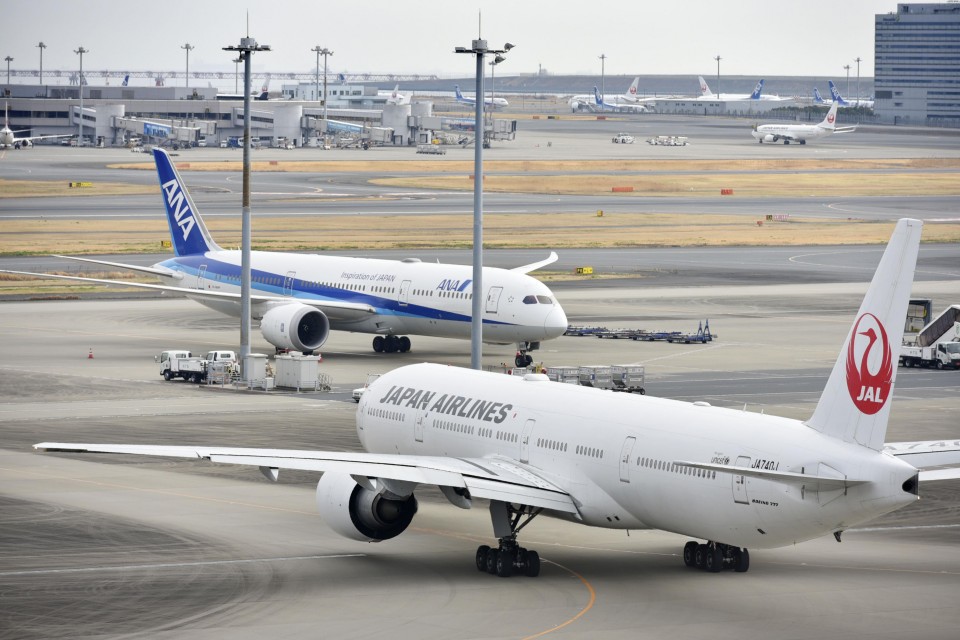
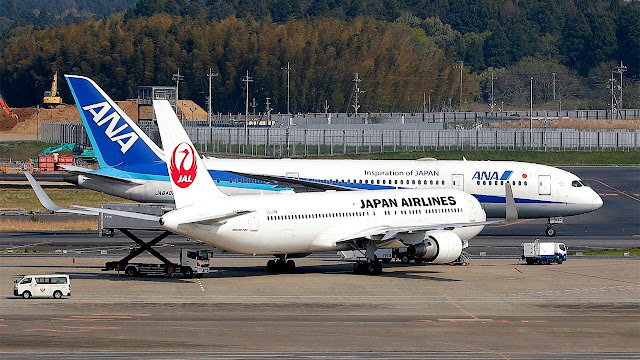
Japan’s aviation industry is renowned for its exceptional service and operational excellence, with All Nippon Airways (ANA) and Japan Airlines (JAL) leading as the country’s premier carriers. ANA, a Star Alliance member, and Japan Airlines, a oneworld member, consistently rank among the world’s top airlines, earning accolades for their hospitality, reliability, and premium offerings. This detailed comparison evaluates ANA and JAL across key categories—fleet, service, lounges, elite status programs, and technology—to determine which airline offers a superior experience in 2025. Both airlines embody Japanese cultural values of precision and respect, yet subtle differences in their offerings may influence traveler preferences.
Fleet Composition and Aircraft Modernity
International Fleet: Premium Cabins
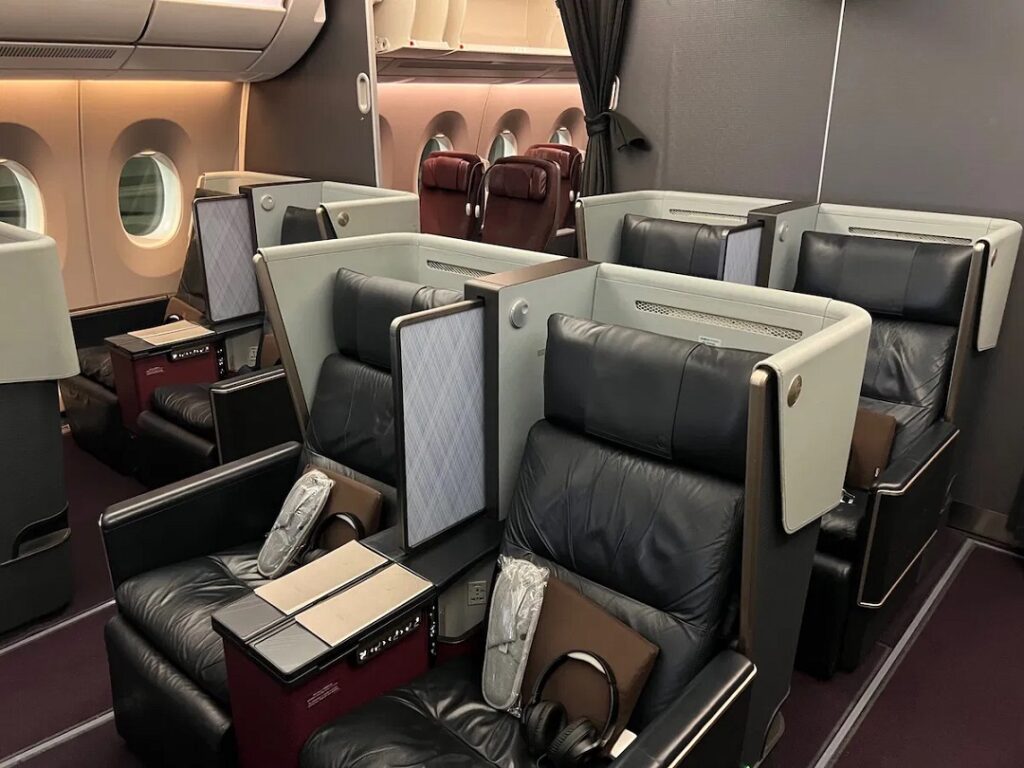
The international fleet is a critical factor in assessing ANA and Japan Airlines, particularly in premium cabins like first class and business class. JAL has gained an edge with its Airbus A350-1000, introduced in late 2023, which replaces older Boeing 777-300ERs. The A350-1000 features JAL’s latest first-class suites and business-class seats, offering enhanced privacy, spacious layouts, and modern technology. The first-class cabin includes private suites with sliding doors, large entertainment screens, and customizable lighting, while the business-class cabin, arranged in a 1-2-1 configuration, provides direct aisle access and ample personal space. The A350’s advanced cabin pressure and quieter environment further elevate the passenger experience, making it a standout choice for long-haul routes like Tokyo Haneda to New York JFK and Dallas-Fort Worth.
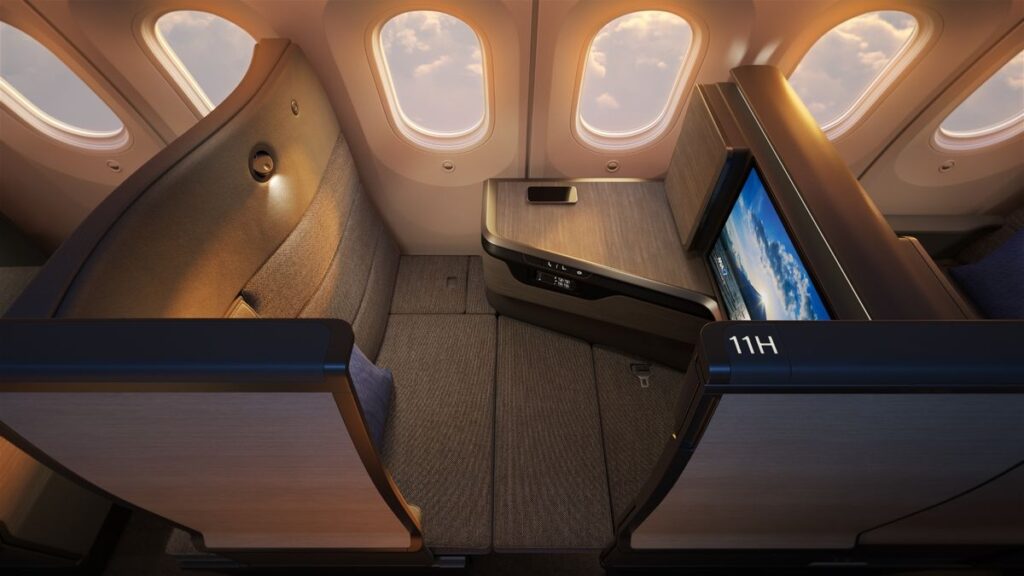
ANA’s flagship international aircraft remains the Boeing 777-300ER, equipped with “The Suite” first class and “The Room” business class, introduced in 2019. “The Suite” offers eight fully enclosed seats with 43-inch 4K monitors, privacy doors, and air vents for personalized comfort. “The Room” is celebrated for its spaciousness, with seats nearly double the width of ANA’s previous business-class offering, also arranged in a 1-2-1 configuration. However, only 10 of ANA’s 13 777-300ERs feature these new cabins, and the remaining three retain older configurations, leading to inconsistency. ANA’s planned transition to Boeing 777-9s, which may include updated cabins, has been delayed until at least 2026, giving Japan Airlines a temporary advantage.
International Fleet: Economy and Premium Economy
In economy class, Japan Airlines’s A350-1000s offer a nine-abreast (3-3-3) configuration, providing more space compared to ANA’s 777-300ERs, which use a tighter 10-abreast (3-4-3) layout. On Boeing 787 Dreamliners, JAL’s international 787-8 and 787-9 aircraft feature an eight-abreast (2-4-2) economy setup, which is notably roomier than ANA’s nine-abreast (3-3-3) configuration. This difference enhances passenger comfort on JAL, particularly on long-haul flights.
For premium economy, both airlines offer comparable products, with ANA’s seats on its A380s, 787-10s, and updated 777-300ERs featuring 38 inches of pitch, 15.6-inch screens, and touchless lavatory features .Japan Airlines’s premium economy on the A350-1000, with a 2-4-2 layout, provides similar legroom and amenities, including dedicated check-in and lounge access at select airports. The differences are minimal, with ANA’s newer seats slightly edging out due to larger screens and modern design elements.
Domestic Fleet
Japan Airlines’s domestic fleet, primarily composed of Airbus A350-900s, offers a three-cabin layout, including a luxurious first class and Class J (a premium economy equivalent). The A350-900’s modern design and spacious cabins provide a superior experience, particularly in first class, which features lie-flat seats and high-end finishes. ANA’s domestic fleet relies on Boeing 787-8s and 787-10s, configured in a two-cabin layout with premium class but lacking the same level of refinement as JAL’s first class. JAL’s domestic product is often cited as more polished, with users on X praising its modern aircraft and comfortable seating.
Fleet Expansion and Sustainability
Both airlines are modernizing their fleets, with Japan Airlines integrating A350-1000s and ANA awaiting Boeing 777-9s. ANA operates a diverse fleet of 240 aircraft, including A380s for Hawaii routes and themed jets like those with Demon Slayer liveries, emphasizing cultural engagement. JAL’s fleet, with over 160 aircraft, focuses on efficiency with newer Airbus models. Both carriers prioritize sustainability, with ANA’s “Future Promise” livery promoting eco-friendly initiatives and JAL implementing fuel-efficient aircraft to reduce emissions.
In-Flight Service and Hospitality
Premium Cabin Service
Japanese hospitality, rooted in omotenashi, defines the in-flight experience on both ANA and Japan Airlines. ANA’s service is renowned for its warmth and professionalism, with cabin crew frequently praised for attentiveness and personalized care. In first class, passengers receive gourmet Japanese and Western meals, curated by renowned chefs, alongside amenities like pajamas and high-end toiletries. ANA’s business class, particularly on “The Room,” offers pre-order meal options and an extensive beverage selection, including premium sakes and Champagnes.
Japan Airlines’s service has evolved significantly, shedding its former reputation as a bureaucratic, government-backed carrier. Recent improvements have made its crew notably friendly and efficient, especially in premium cabins. JAL’s first-class and business-class catering stands out, particularly on late-night flights like Tokyo Haneda to London or New York, where full-course meals are served, unlike ANA’s limited snack menu on similar routes. JAL’s midflight snack menu is also more extensive, offering a variety of Japanese and Western options.
Economy and Premium Economy Service
In economy, both airlines provide above-average experiences, with Japanese and Western meal options, complimentary beer, wine, and limited spirits.Japan Airlines’s “Sky Wider” seats in economy, especially on 787s, offer a slight edge due to the roomier 2-4-2 configuration. ANA’s economy seats, with 34 inches of pitch, are comfortable but less spacious on 777s. Both airlines offer specialty meals (e.g., vegetarian, halal), but JAL’s economy service was recently recognized as the world’s best by Skytrax, reflecting its superior catering and comfort.
Premium economy passengers on both airlines enjoy enhanced meals and priority services. ANA’s premium economy includes lounge access at major hubs, a perk not consistently offered by Japan Airlines unless passengers hold elite status. However, JAL’s premium economy meals are slightly more refined, aligning closely with business-class quality.
Service Consistency and Cultural Nuances
Both airlines reflect Japanese precision, but user sentiments on X highlight subtle differences. ANA is often described as approachable and flexible, akin to a dynamic private company, while Japan Airlines is perceived as more formal and traditional, emphasizing high-end hospitality. These distinctions are minor, with both carriers delivering exceptional service, though JAL’s recent improvements in crew attentiveness give it a slight advantage.
Read More: American Airlines Boeing 777-300ER First Class: A “Business Class Plus” Experience
Lounges and Ground Experience
Lounge Quality and Access
Japan Airlines’s lounges, particularly at Tokyo Haneda, are widely regarded as superior. The Sakura Lounge and first-class lounges offer spacious designs, high-quality dining, and attentive service. Oneworld Sapphire and Emerald members, including top-tier JAL Mileage Bank members, gain access to first-class lounges, even when flying economy, enhancing the value of elite status. JAL’s lounges at Narita and Haneda are noted for their cleanliness and premium offerings, such as fresh sushi and curated beverages.
ANA’s lounges, including the ANA Suite Lounge for first-class passengers and ANA Lounge for business-class and Star Alliance Gold members, are well-regarded but face criticism for overcrowding and inconsistent food quality at Haneda. The noodle bar, a signature feature, has seen reduced offerings in recent years, disappointing some passengers. However, ANA’s Suite Lounge at Haneda and Narita provides shower suites and work areas, catering to premium travelers.
Ground Services
Both airlines offer priority check-in and baggage handling for premium cabin passengers and elite members. ANA’s dedicated check-in areas for first-class and Diamond Service members streamline the process, while Japan Airlines’s priority counters, especially for Oneworld elites, are efficient, particularly at Haneda’s Terminal 3. ANA’s app provides real-time baggage claim notifications, a unique feature appreciated by travelers.
Elite Status and Loyalty Programs
ANA Mileage Club vs. Japan Airlines Mileage Bank
ANA’s Mileage Club offers Bronze, Platinum, and Diamond tiers, with benefits like lounge access, priority check-in, and mileage bonuses. However, Star Alliance Gold status, achieved at Platinum or Diamond, provides limited incremental benefits compared to business-class perks, such as lounge access at partner airports. ANA’s miles are highly valuable for redemptions, particularly for business and first-class flights, and can be earned through partnerships with American Express and other programs.
Japan Airlines’s Mileage Bank, aligned with the oneworld alliance, includes Sapphire and Emerald tiers, which offer significant advantages, such as access to first-class lounges regardless of travel class. This perk is particularly valuable for frequent flyers, as it extends to international oneworld lounges. JAL’s redemption rates are competitive, though ANA’s program is often cited as more flexible due to its extensive Star Alliance network.
Alliance Benefits
ANA’s Star Alliance membership provides access to a broader network, with 43 international destinations compared to Japan Airlines’s 39. This makes ANA a better choice for travelers needing connectivity through partners like United or Singapore Airlines. JAL’s oneworld alliance, including carriers like American Airlines and British Airways, offers robust U.S. routes but slightly less global reach.
Technology and In-Flight Entertainment
In-Flight Entertainment Systems
ANA’s “The Suite” and “The Room” cabins feature cutting-edge technology, including 43-inch 4K monitors in first class and 24-inch screens in business class. The “MY SKY CHANNEL” app allows passengers to browse entertainment pre-flight and use mobile devices as secondary screens. ANA’s systems also support Bluetooth audio and in-seat controls for lighting and reclining.
Japan Airlines’s A350-1000 cabins are equipped with large entertainment screens and intuitive interfaces, though slightly smaller than ANA’s in first class (32-inch vs. 43-inch). JAL’s systems emphasize user-friendly navigation and modern design, with reliable Wi-Fi and Bluetooth connectivity. However, some passengers note that JAL’s in-flight entertainment selection is less extensive than competitors like Singapore Airlines.
Cabin Technology and Comfort
Japan Airlines’s A350-1000 benefits from lower cabin altitude pressure, reducing fatigue on long flights. Features like adjustable air vents and mood lighting enhance comfort. ANA’s newer 777-300ERs and A380s include similar innovations, such as touchless lavatories and customizable lighting, but older aircraft in its fleet lack these updates, creating variability.
Digital Experience
ANA’s mobile app and website are praised for user-friendliness, offering features like real-time baggage tracking and meal pre-ordering. Japan Airlines’s app, while functional, is considered less intuitive by some users, with complaints about outdated design and navigation challenges.
Route Networks and Connectivity
International Routes
ANA operates 43 international destinations across 22 countries, with strong U.S. connectivity to cities like Chicago, Los Angeles, and New York. Its Star Alliance partnerships enhance global reach, particularly in Asia and Europe. Japan Airlines serves 39 destinations in 21 countries, with a focus on U.S. hubs like Dallas-Fort Worth and San Francisco. Both airlines operate from Tokyo’s Haneda and Narita airports, with ANA offering slightly more European routes.
Domestic Routes
Domestically, ANA and Japan Airlines provide near-identical experiences due to short flight durations and standardized services. ANA’s extensive network covers more regional routes, appealing to travelers visiting smaller Japanese cities. JAL’s domestic operations emphasize premium cabins, with first-class availability on key routes like Tokyo to Osaka.
Passenger Feedback and Sentiment
User sentiments on X reflect nuanced preferences. Japan Airlines is often favored for its modern fleet, premium cabins, and lounge quality, with users citing its A350’s comfort and first-class offerings. ANA is praised for its route network, approachable service, and mileage program, though some criticize its lounge food quality and inconsistent cabin upgrades. Both airlines receive high praise for safety and hospitality, with preferences often boiling down to personal priorities like alliance loyalty or specific route needs.
Frequently Asked Questions
Which airline has a more modern fleet, ANA or JAL?
Japan Airlines’s Airbus A350-1000, introduced in 2023, offers a more modern experience with advanced cabins compared to ANA’s Boeing 777-300ERs, some of which retain older configurations. ANA’s fleet upgrade to 777-9s is delayed until at least 2026.
How do ANA and JAL compare in terms of in-flight service?
Both airlines deliver exceptional Japanese hospitality. Japan Airlines slightly edges out with refined catering, especially in premium cabins, while ANA is praised for its approachable crew and extensive beverage options.
Which airline offers better lounge experiences?
Japan Airlines’s Sakura and first-class lounges at Tokyo Haneda and Narita are superior, offering premium dining and space. ANA’s lounges are high-quality but face criticism for overcrowding and inconsistent food at Haneda.
How do ANA’s and JAL’s loyalty programs differ?
Japan Airlines’s Mileage Bank provides oneworld Sapphire and Emerald members access to first-class lounges, even in economy. ANA’s Mileage Club offers flexible Star Alliance redemptions but fewer incremental benefits for Star Alliance Gold members.
Which airline is better for economy class passengers?
Japan Airlines’s A350-1000s and 787s feature roomier nine-abreast and eight-abreast economy layouts, respectively, compared to ANA’s tighter 10-abreast 777s and nine-abreast 787s, making JAL more comfortable for economy travelers.
Conclusion
All Nippon Airways and Japan Airlines exemplify Japanese excellence in aviation, delivering world-class service, reliability, and cultural hospitality. Japan Airlines currently holds a slight edge due to its modern A350-1000 fleet, superior lounge offerings, and valuable oneworld elite benefits. Its spacious economy configurations and refined catering further enhance its appeal, particularly for premium cabin travelers. ANA remains a strong contender with its innovative “The Suite” and “The Room” cabins, extensive Star Alliance network, and flexible mileage program. However, its fleet inconsistency and less impressive lounge experience at Haneda slightly diminish its standing.
Travelers choosing between ANA and JAL should consider their priorities. Japan Airlines is ideal for those valuing modern aircraft, premium lounge access, and oneworld connectivity, while ANA suits those prioritizing route diversity, mileage redemptions, and cutting-edge technology in select cabins. Both airlines offer exceptional experiences, ensuring passengers enjoy a taste of Japanese hospitality, whether flying economy or first class. As ANA’s fleet modernization progresses with the anticipated 777-9 deliveries, the competition will likely intensify, promising even greater innovations for travelers in the years ahead.
