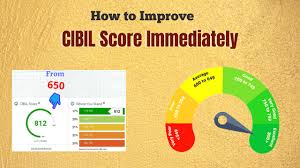
The Credit Information Bureau (India) Limited, or CIBIL, is one of the four major credit bureaus in India, responsible for generating reports based on your credit score. Its primary objective is to assist its members—such as lenders and credit card providers—in making informed lending and approval decisions. Essentially, it helps financial institutions offer loans and credit cards to individuals with good CIBIL scores while using risk-based pricing for certain loans. The lower the risk, the lower the interest rate; the higher the risk, the higher the rate.
CIBIL scores are three-digit numbers that range from 300 to 900. When you apply for a loan or credit card, the provider checks your CIBIL score to assess the likelihood of approval.
A score above 750 is generally considered excellent. But what if your score is below 750, or you aim for a score above 800? Is it possible to improve your CIBIL score? Yes, there are several effective strategies to help you raise your score, listed in order of their importance.
Be Disciplined With Repayments
The most crucial factor for maintaining a good credit score is making timely repayments. Delayed payments on credit card bills or loan EMIs can significantly damage your score and attract hefty penalties that banks may not reverse, even if requested. To avoid missing payment deadlines, set reminders or use apps like Cred, which not only help you track due dates but also identify hidden charges in your credit card statements. Timely payments are key to improving and maintaining your credit score.
Credit Utilization Ratio
Maintaining a low credit utilization ratio is vital for your credit score. Try to keep your credit card balance below 30% of your credit limit. While occasionally using up to the full limit is acceptable, consistently exceeding 30% may limit your ability to reach a high score. If you’re a heavy spender, take advantage of limit enhancement offers from your bank or request an increase based on your income. Alternatively, paying part of your balance before the billing date or adding another card can help keep your credit utilization in check.
Apply Smartly
When applying for loans or credit cards, ensure you meet the eligibility requirements of the lender to avoid rejection. Avoid multiple applications within a short period, as this can signal credit-hungry behavior and negatively impact your creditworthiness. For newcomers to the credit world, it’s best to take things slow and apply carefully to increase your chances of approval.
Mix of Good and Bad Credit
Lenders view certain types of debt differently—credit cards and personal loans are considered “bad credit” because they are unsecured, while home or vehicle loans are seen as “good debt” due to being secured. Having a mix of both can positively affect your CIBIL score. Avoid using BNPL services, as they are often poorly regulated and can report late payments even when made on time, harming your credit profile.
Age of Credit History
The length of your credit history plays a significant role in determining your CIBIL score. Starting a credit line earlier in life helps improve your score. It’s a common myth that you must keep your oldest account active to benefit from its age. In fact, even if your oldest loan or credit card is closed, it can still contribute to the age of your credit history, helping improve your score over time.
Doing Token Transactions
To keep your credit cards active without overspending, perform small token transactions. After the bill is generated, clear the dues on time. This strategy increases the frequency of on-time payments and helps build a positive repayment history. Additionally, you can automate digital subscriptions on cards you don’t frequently use, maintaining your active accounts without unnecessary spending.
Getting Secured Credit Cards
If your CIBIL score has been negatively impacted due to financial challenges, like those faced during the COVID pandemic, a secured credit card can help you rebuild your score. While secured cards may not offer the same rewards as regular cards, they are a great way to start fresh and improve your score with disciplined use. Always remember to borrow only what you can repay on time to avoid further damaging your credit.
Frequently Asked Questions
What is CIBIL score, and why is it important?
CIBIL score is a three-digit number ranging from 300 to 900 that represents your creditworthiness. It’s crucial because lenders use it to evaluate your ability to repay loans. A higher score increases your chances of loan approval and can secure better interest rates.
How can timely repayments help improve my CIBIL score?
Making timely payments on credit cards and loans is one of the most important factors in improving your CIBIL score. Late payments not only harm your score but also incur penalties. Regular and on-time payments demonstrate your creditworthiness and help build a strong credit history.
What is the ideal credit utilization ratio for a good CIBIL score?
To maintain a healthy CIBIL score, it’s recommended to keep your credit utilization ratio below 30%. This means you should not use more than 30% of your available credit limit. Higher utilization can negatively impact your score, even if it’s just for a short period.
How can I smartly apply for credit without damaging my CIBIL score?
To avoid damaging your CIBIL score, always check eligibility criteria before applying for loans or credit cards. Repeatedly applying within a short time can hurt your score by signaling credit-hungry behavior. Apply to institutions where you are more likely to get approved and avoid multiple applications in a short period.
Can secured credit cards help improve my CIBIL score?
Yes, secured credit cards can be an excellent way to rebuild or improve your CIBIL score, especially if it has been affected by financial difficulties. These cards require a deposit as collateral, and responsible usage can help demonstrate your ability to manage credit, gradually improving your score over time.
Conclusion
Improving your CIBIL score is a gradual process, but with consistent effort and smart financial habits, you can see significant progress over time. By staying disciplined with repayments, managing your credit utilization, applying strategically for credit, and maintaining a mix of good and bad credit, you lay a solid foundation for a stronger credit profile.
Additionally, making small token transactions, building a long credit history, and considering secured credit cards can help boost your score further. Remember, your CIBIL score reflects your financial responsibility and can open doors to better loan terms and lower interest rates. Stay patient, follow these steps, and watch your CIBIL score rise steadily for a more secure financial future.
