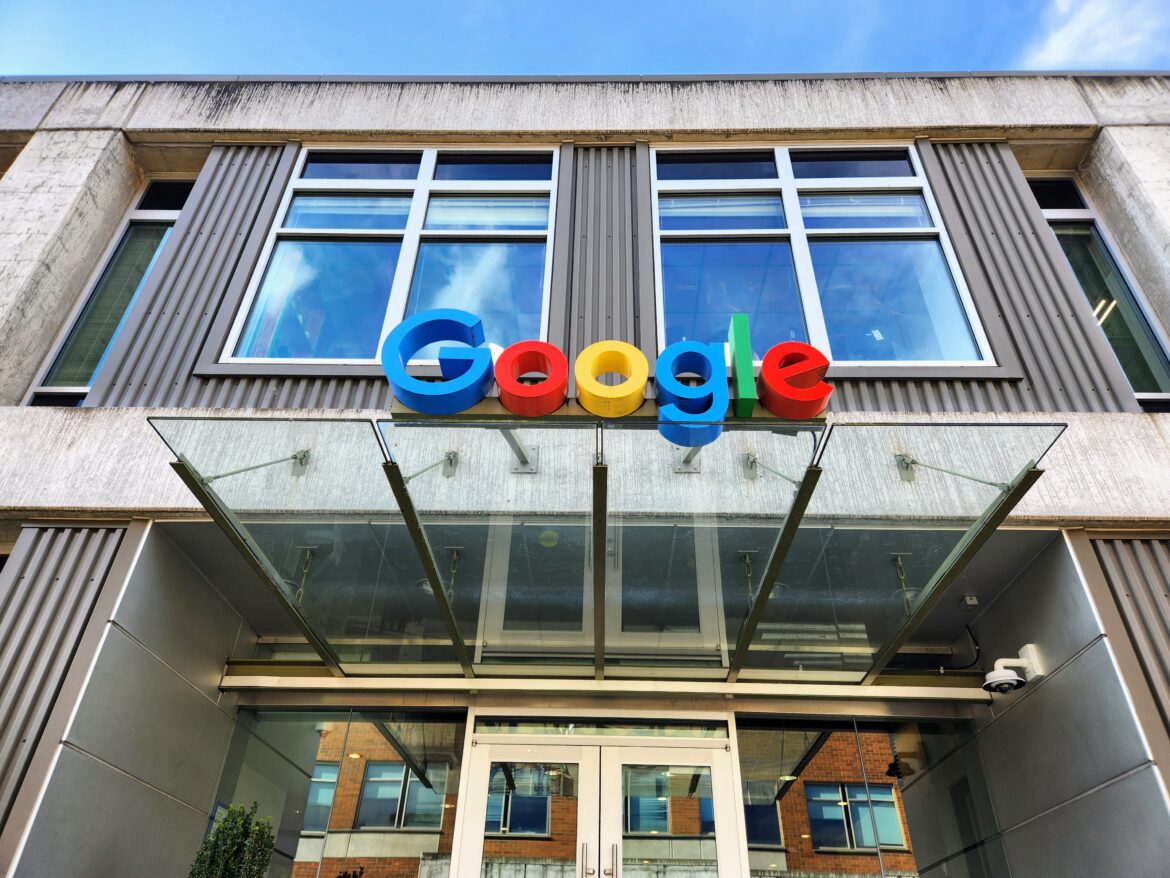
Seattle’s Fremont neighborhood, known affectionately as the “Center of the Universe,” is set to see a quiet but significant transformation in its local tech identity. Google, which has maintained a presence in Fremont since 2006, confirmed plans to consolidate its Seattle-based employees at its newer South Lake Union campus. The decision reflects broader strategic shifts in how the tech giant is approaching workplace design, collaboration, and real estate efficiency in the post-pandemic era.
Although no definitive timeline has been provided, the move marks the beginning of the end for Google’s footprint in Fremont, signaling a notable transition in the neighborhood’s tech makeup. Fremont, once a cornerstone of Google’s Pacific Northwest expansion, will gradually give way to South Lake Union as the company’s central Seattle hub.
Strategic Consolidation for Collaboration and Efficiency
In a statement, Google cited a desire to improve collaboration and build stronger internal communities as key reasons for consolidating in South Lake Union. The decision aligns with the company’s ongoing efforts to optimize its real estate holdings to support a hybrid workforce while maintaining long-term regional commitments.
“We remain committed to our long-term presence in Seattle,” said Google spokesperson Ryan Lamont. “We’re focused on investing in real estate efficiently to meet the current and future needs of our hybrid workforce.”
This approach is consistent with recent trends across the tech industry. Major firms are reevaluating office use and reducing their overall physical footprints in the face of a workforce that no longer adheres to traditional 9-to-5, in-office schedules. Rather than maintaining multiple smaller campuses in the same city, companies like Google are choosing to centralize their operations to foster connectivity and reduce overhead.
Fremont’s Role in Google’s Growth in the Pacific Northwest
Google’s relationship with the Fremont neighborhood began in 2006, two years after it opened its first Washington office in Kirkland. The Fremont office quickly became a symbol of Google’s expanding ambitions in the Pacific Northwest, part of a larger trend that saw Silicon Valley titans planting engineering roots in Seattle to tap into its deep well of tech talent.
In the years that followed, Google’s Fremont campus steadily expanded. By 2018, it had grown into a 190,000-square-foot office complex housing hundreds of employees working on various core products and services. The campus became a familiar fixture in Fremont, not only because of its size but because of the cultural imprint Google left on the neighborhood. Local businesses benefited from the steady flow of employees, and the tech company’s presence helped solidify Fremont as a bona fide tech hub.
The area also drew other major players, including Adobe, Salesforce’s Tableau, Nvidia (via its acquisition of OctoAI), and smaller startups like Brinc Drones. Fremont developed a reputation as a quirky, independent neighborhood that seamlessly blended tech innovation with Seattle’s creative culture.
Transition to South Lake Union Accelerates
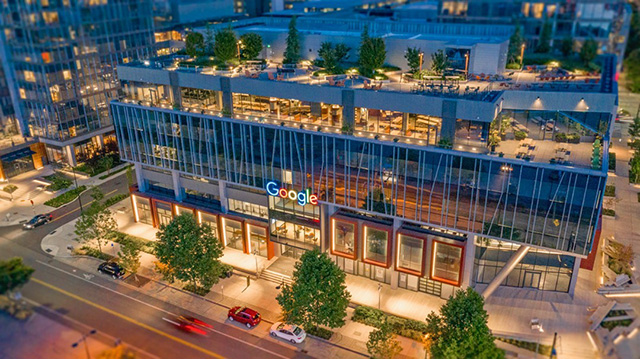
Google began its investment in South Lake Union in 2019, before the COVID-19 pandemic upended workplace norms. At the time, the company stated it intended to retain its Fremont offices, treating the South Lake Union expansion as complementary rather than a replacement. But that was before remote work took hold and forced a reconsideration of what large campuses were meant to do.
The pandemic acted as an accelerant. Google, like many of its peers, embraced a hybrid work model. This shift necessitated fewer, but more functional and centralized office locations—places where employees could collaborate efficiently when in-office and reduce commuting barriers.
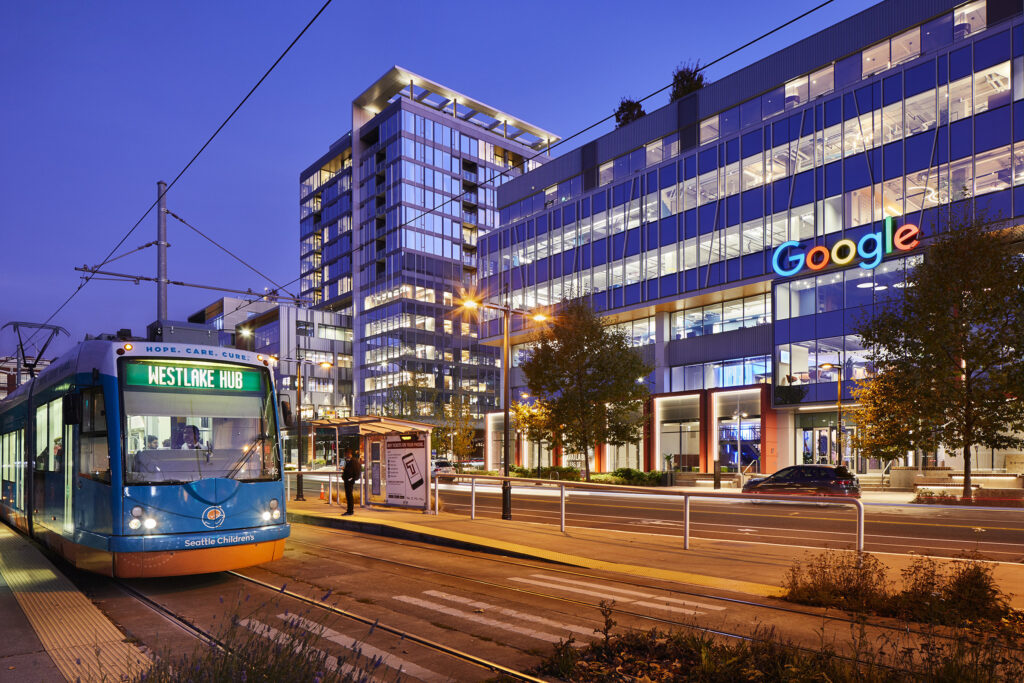
South Lake Union, located closer to downtown and better integrated into Seattle’s urban infrastructure, quickly emerged as a preferred location. The neighborhood already housed Amazon’s global headquarters and had become a central player in the city’s urban redevelopment. Google’s state-of-the-art office space in the area, with views of Lake Union and the Space Needle, offered modern amenities and logistical advantages that its Fremont location could not match.
Kirkland Operations Remain Stable
Despite the consolidation within Seattle, Google’s significant presence in Kirkland remains unchanged. The Eastside campus, which predates Fremont by two years, continues to serve as a major engineering hub and houses thousands of employees. In fact, Kirkland’s Google offices have seen steady growth, though the company shelved plans for additional expansion in 2023 amid broader budgetary constraints and layoffs across the tech sector.
This differentiation underscores Google’s broader regional strategy. Fremont’s exit appears to be more about streamlining in Seattle proper, while Kirkland continues to serve as a foundational piece of the company’s long-term Pacific Northwest footprint.
Fremont Remains a Desirable Tech Destination
While Google’s eventual departure marks the end of an era, it doesn’t mean Fremont is losing its appeal as a tech neighborhood. The area continues to attract companies and organizations seeking a balance of professional vibrancy and creative character.
Salesforce’s Tableau division has recently scaled back its presence in Fremont, but other companies are moving in. PATH, a global health nonprofit, announced it would be relocating its headquarters to a building formerly occupied by Tableau, situated adjacent to the Google campus. This move reflects a continuing interest in Fremont’s unique combination of walkability, cultural energy, and proximity to central Seattle.
Pete Hanning, executive director of the Fremont Chamber of Commerce, emphasized the neighborhood’s resilience and desirability: “Fremont is still a highly desirable tech hub,” he said. “We’re working hard to ensure that it continues to be a place where companies want to be, whether they’re global leaders or local startups.”
Urban Identity and Economic Shifts
The transition of Google from Fremont to South Lake Union highlights larger shifts in Seattle’s urban and economic development. Fremont has historically prided itself on its eclectic, artistic vibe—featuring public sculptures, local coffee shops, and independent boutiques. The presence of a tech giant like Google brought certain advantages but also raised concerns about rising rents, gentrification, and cultural homogenization.
Google’s departure may serve to recalibrate the neighborhood’s identity, offering room for more diverse tenants while relieving some real estate pressure. At the same time, it’s a reminder of how fluid the tech industry is—how quickly spaces can be transformed or vacated based on evolving corporate priorities.
South Lake Union, on the other hand, has increasingly become Seattle’s corporate nucleus. Once dominated by warehouses and industrial buildings, it has been thoroughly reimagined over the past 15 years into a gleaming tech and life sciences corridor. Google’s consolidation there further cements the area’s status as Seattle’s commercial epicenter.
FAQs
What is the reason behind Google’s decision to leave Fremont?
Google is consolidating its Seattle operations in South Lake Union to improve team collaboration and real estate efficiency. The move aligns with the company’s hybrid work model and broader real estate strategy, which emphasizes centralized, flexible office environments.
Will Google’s Kirkland campus be affected by this change?
No. Google’s campus in Kirkland remains a key part of its Pacific Northwest operations. While the company canceled some expansion plans there in 2023, the Kirkland location will continue to operate as a major engineering hub.
Is this move permanent, and is there a timeline for the transition?
While Google has confirmed its intent to exit Fremont in the long term, it has not provided a specific timeline. The transition is expected to be gradual and based on business needs, real estate logistics, and evolving hybrid work policies.
How will Fremont be impacted by Google’s departure?
The exit of a large employer like Google could impact Fremont’s commercial real estate market and local economy. However, the neighborhood continues to attract new tenants, such as PATH, and remains a desirable location for tech companies and nonprofits alike.
What does this say about the future of tech office space in Seattle?
The move reflects broader industry trends toward centralized, collaborative office hubs. Companies are focusing on fewer, more strategically located campuses that support flexible work while maximizing cost efficiency and employee experience.
Conclusion
Google’s plan to gradually move out of Seattle’s Fremont neighborhood marks a strategic shift in how the tech giant envisions the future of its office spaces. By consolidating in South Lake Union, the company aims to enhance collaboration while adapting to new realities of hybrid work and urban real estate economics.
Though it signals the end of Google’s long-standing presence in Fremont, the decision does not diminish the company’s commitment to the region. Nor does it spell doom for Fremont, which continues to reinvent itself as a dynamic hub for technology, nonprofits, and the creative economy.
The move is emblematic of a broader transformation across Seattle, as neighborhoods evolve to meet the demands of a changing workforce and economic landscape. Fremont may be getting a little less “Googley,” but its spirit—and potential—remain strong.
