
Regional jets often carry a reputation for being cramped, loud, and less comfortable than mainline aircraft. Many travelers go out of their way to avoid them, associating regional flights with inconvenience and discomfort. However, the Embraer E175 stands out as a major exception. Despite its smaller size, it delivers a flying experience that rivals — and sometimes even surpasses — that of larger jets.
Frequent flyers on routes operated by American Eagle, Delta Connection, or United Express know the Embraer E175 well. This aircraft often serves short- to mid-haul routes and consistently delivers comfort, spaciousness, and convenience. Below are five reasons why the Embraer E175 is not just tolerable, but enjoyable — and even preferred over bigger aircraft.
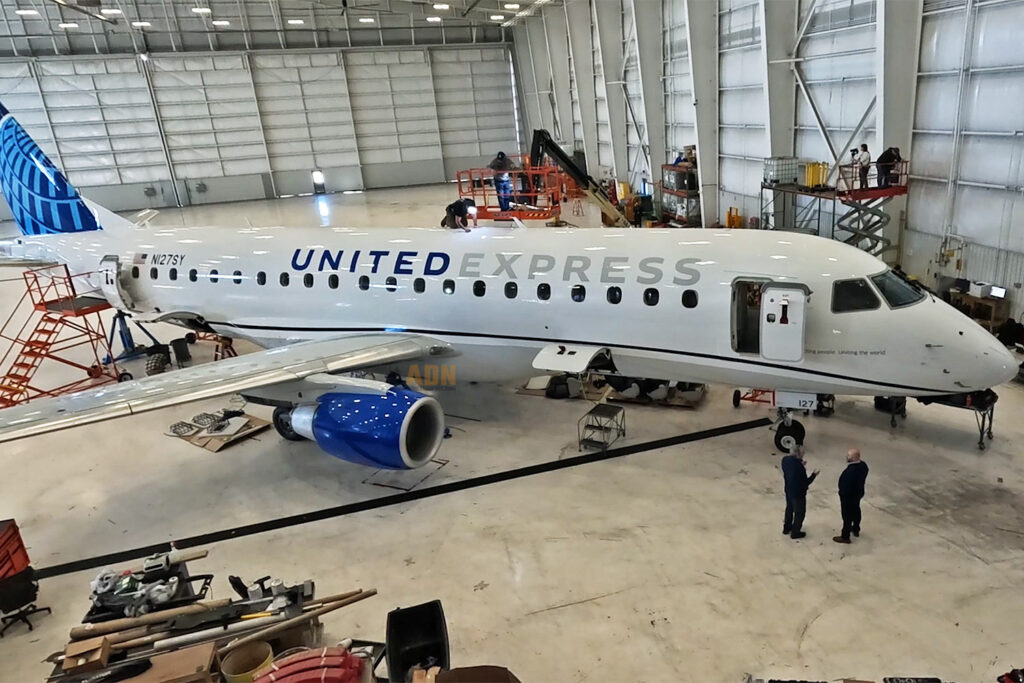
No Middle Seats: Comfort Across All Cabins
A Spacious Layout for Every Passenger
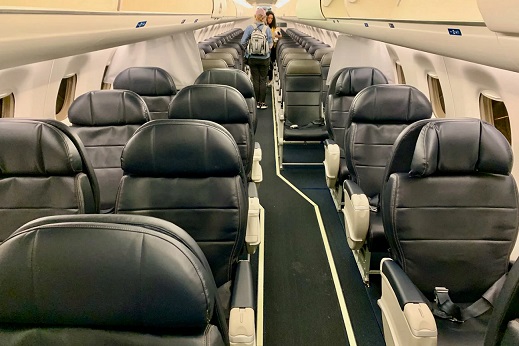
The Embraer E175 features a 2-2 seating layout in economy class. This configuration ensures that every passenger enjoys either a window or an aisle seat. Middle seats are completely absent, making the journey far more pleasant whether traveling alone or with a companion.
Each seat measures over 18 inches in width, which is wider than those found on many Airbus or Boeing narrow-body aircraft. This generous seat width increases personal space and reduces fatigue on longer flights.
Read More: LATAM 787 Business Class Review: Stylish Comfort with Impressive Service
Best-In-Class Economy Bulkhead Seats
The bulkhead rows in economy offer an extraordinary amount of legroom. In fact, these seats are spacious enough to rival or even surpass first class legroom on some aircraft. Savvy travelers know that these seats can often be selected at the last minute if they remain unassigned, offering a premium experience at no extra cost.
Outstanding First Class Ratio
Higher Upgrade Potential
On most regional jets, first class seating is minimal or nonexistent. The Embraer E175 defies that trend. American Eagle’s E175s, for instance, have 12 first class seats out of a total of 76 — approximately 16% of the cabin. In contrast, American’s Boeing 737s have just 16 first class seats out of 172 total, representing a much smaller 9% share.
This higher ratio greatly improves the odds of a complimentary upgrade for elite flyers, making it a frequent favorite for status holders.
Why So Many Premium Seats?
The answer lies in airline labor agreements. Scope clauses in pilot contracts restrict the number of seats on regional jets operated by affiliate carriers. As a result, aircraft like the Embraer E175 are capped at 76 seats. Airlines make the most of this limitation by incorporating a substantial first class section and extra-legroom economy rows. The plane could theoretically seat 88 passengers in an all-economy layout, but airlines deliberately preserve premium seating for a better passenger experience.
Solo First Class Seats: A Unique Perk
1-2 Configuration for First Class
First class on the Embraer E175 is laid out in a 1-2 format. This means every row includes one side with a single seat and the other with two seats. Solo travelers who prefer privacy or direct access to both the window and the aisle often choose the single seat side.
This design mirrors the privacy often associated with lie-flat business class seating on long-haul international flights. It offers an ideal solution for business travelers, introverts, or those who simply value a more personalized in-flight experience.
Best of Both Worlds
Window lovers appreciate the unobstructed view, while aisle access eliminates the need to climb over seatmates. These solo seats embody convenience, comfort, and thoughtful design.
Large Windows at Eye Level
A Better View of the Sky
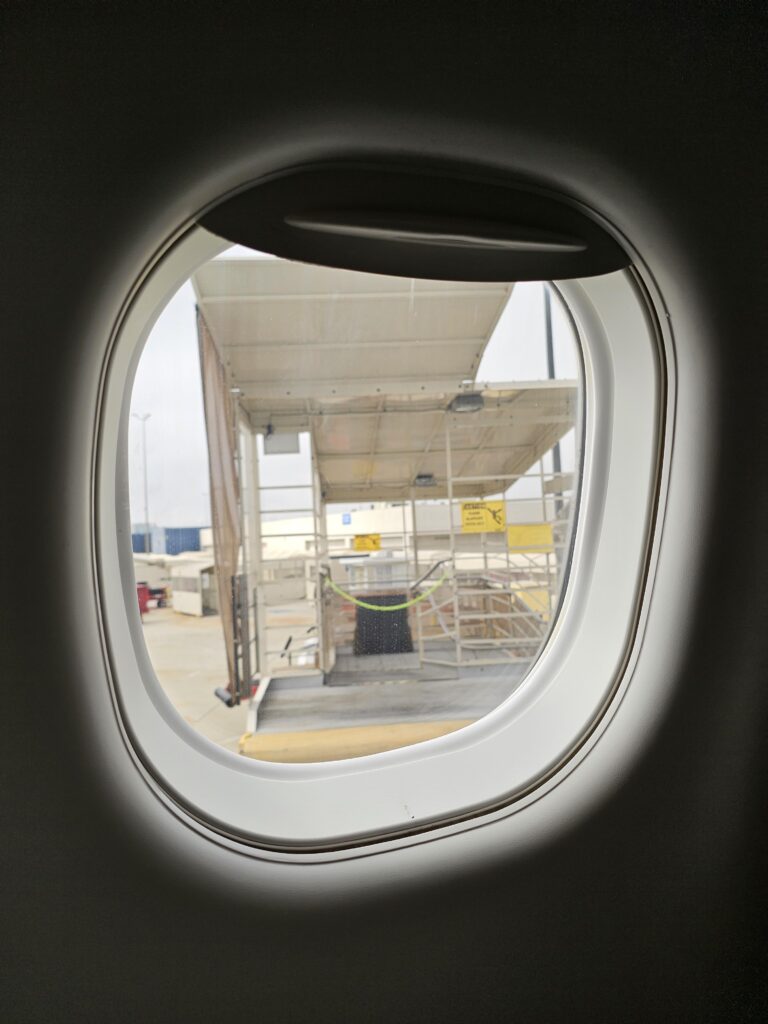
The Embraer E175 features noticeably large windows that align perfectly with the average passenger’s eye level. This makes looking out during taxi, takeoff, cruise, and landing a genuinely enjoyable part of the trip.
Many regional aircraft have tiny windows placed too low for most passengers. In contrast, the E175’s expansive panes deliver a panoramic experience, ideal for aviation enthusiasts or anyone who enjoys scenic skies.
Optical Illusion or Superior Design?
While the windows may not technically be larger than those on other narrow-body aircraft, they certainly feel more spacious. Their width and placement create an impression of openness, which contributes significantly to the aircraft’s big-jet feel.
It Feels Like a Mainline Jet
Cabin Height and Aisle Width
Walking through the E175’s cabin does not require stooping or ducking. The ceiling height and aisle width give the impression of a larger aircraft, and boarding feels far less claustrophobic than on comparable regional jets like the CRJ-700.
The Embraer’s interior also includes full-sized overhead bins, which accommodate standard carry-on bags. This reduces the frequency of gate-checking and expedites boarding and deplaning.
Quiet and Well-Designed
The E175’s engines are mounted under the wings, as is typical of mainline jets. This placement reduces cabin noise, especially compared to rear-mounted engines on other regional jets. Combined with minimal vibration, this makes for a smooth and serene ride, even during cruise.
Designed for Passenger Comfort
Many travelers describe the E175 as a “mini Airbus A320” due to its wide seats, quiet cabin, and spacious feel. Its appeal extends to those who typically avoid smaller planes due to motion sensitivity or claustrophobia. Passengers who experience discomfort on other regional jets often feel at ease on the E175.
Final Thoughts: Why the E175 Wins Every Time
Flying the Embraer E175 provides a surprisingly premium experience for a regional jet. From the absence of middle seats to solo first class options, it consistently exceeds expectations. Spacious cabins, generous seat layouts, large windows, and better upgrade potential contribute to its reputation as the standout aircraft in the regional category.
Although its Wi-Fi speed may lag behind mainline jets, upcoming upgrades promise improvements. When all other factors are considered, the E175 often offers a better domestic travel experience than larger aircraft like the Airbus A320 or Boeing 737. Travelers who prioritize comfort and efficiency consistently find themselves hoping their next short-haul flight is operated by this gem of a jet.
FAQs
Is the Embraer E175 a safe aircraft to fly on?
Yes, the E175 meets rigorous international safety standards and is operated by most major U.S. airlines on regional routes.
Do all Embraer E175s have first class cabins?
Most do, especially those operated by American Eagle, United Express, and Delta Connection. The typical configuration includes 12 first class seats.
Can I store my carry-on bag in the overhead bin on the E175?
Yes, overhead bins are large enough for standard carry-on luggage, unlike on many smaller regional jets.
What is the seat configuration in economy class on the E175?
The economy class cabin uses a 2-2 layout, which eliminates the dreaded middle seat.
Are upgrades easier on the E175 compared to other aircraft?
Yes, due to the higher percentage of first class seats, elite flyers have better upgrade chances on this aircraft.
How does the ride on the E175 compare to other regional jets?
It’s smoother and quieter, with less cabin vibration and better engine placement.
Are the seats on the E175 comfortable?
Yes, seats are wider than average, with some of the best legroom found in economy bulkhead rows.
Is Wi-Fi available on the Embraer E175?
Yes, although it may be slower than on larger jets. Airlines like American are currently upgrading the onboard Wi-Fi.
Can I select a solo seat in first class?
Yes, the 1-2 configuration allows you to choose a single seat for more privacy and convenience.
Why do frequent flyers prefer the E175?
They appreciate the comfort, layout, and better upgrade odds — many even prefer it over larger aircraft for domestic flights.
How quiet is the Embraer E175 compared to other regional jets?
The E175 is significantly quieter than many other regional jets, particularly those with rear-mounted engines like the CRJ series. Its engines, mounted under the wings, reduce cabin noise and vibration.
What airlines commonly operate the Embraer E175?
In the U.S., the E175 is operated by regional affiliates of major airlines, including American Eagle, United Express, and Delta Connection. International carriers like Air Canada and KLM Cityhopper also use the aircraft.
Is boarding and deplaning faster on the E175?
Yes, the smaller size and efficient layout typically allow for quicker boarding and deplaning, especially when using forward and rear aircraft doors during ramp boarding.
Does the Embraer E175 have power outlets or USB ports?
Many E175s are now equipped with power outlets or USB ports in both economy and first class, though this varies by airline and aircraft configuration.
How does the E175 perform in bad weather or turbulence?
The E175 handles adverse weather and turbulence well, offering a stable ride comparable to larger narrow-body aircraft. Pilots often praise its advanced avionics and aerodynamic design.
Conclusion
The Embraer E175 redefines expectations of what a regional jet can offer. Its thoughtful design, passenger-friendly layout, and surprisingly spacious cabin make it stand out in a category often associated with compromise. From the lack of middle seats to the availability of solo first class options, every aspect of the E175 focuses on enhancing the passenger experience.
Travelers accustomed to larger aircraft are often surprised by the comfort and convenience the E175 delivers. Whether seated in economy or first class, passengers benefit from wide seats, large windows, quiet engines, and overhead bins that accommodate full-size carry-ons. These features are complemented by a higher ratio of premium seats, increasing the likelihood of upgrades for frequent flyers.
In short, the Embraer E175 offers everything most travelers want in a domestic aircraft — with fewer of the downsides found in both regional and mainline alternatives. For those who value comfort, privacy, and efficient boarding, this aircraft continues to earn its reputation as the best in its class. When booking a short-haul flight, many savvy flyers actively seek out the E175, and it is easy to understand why.
