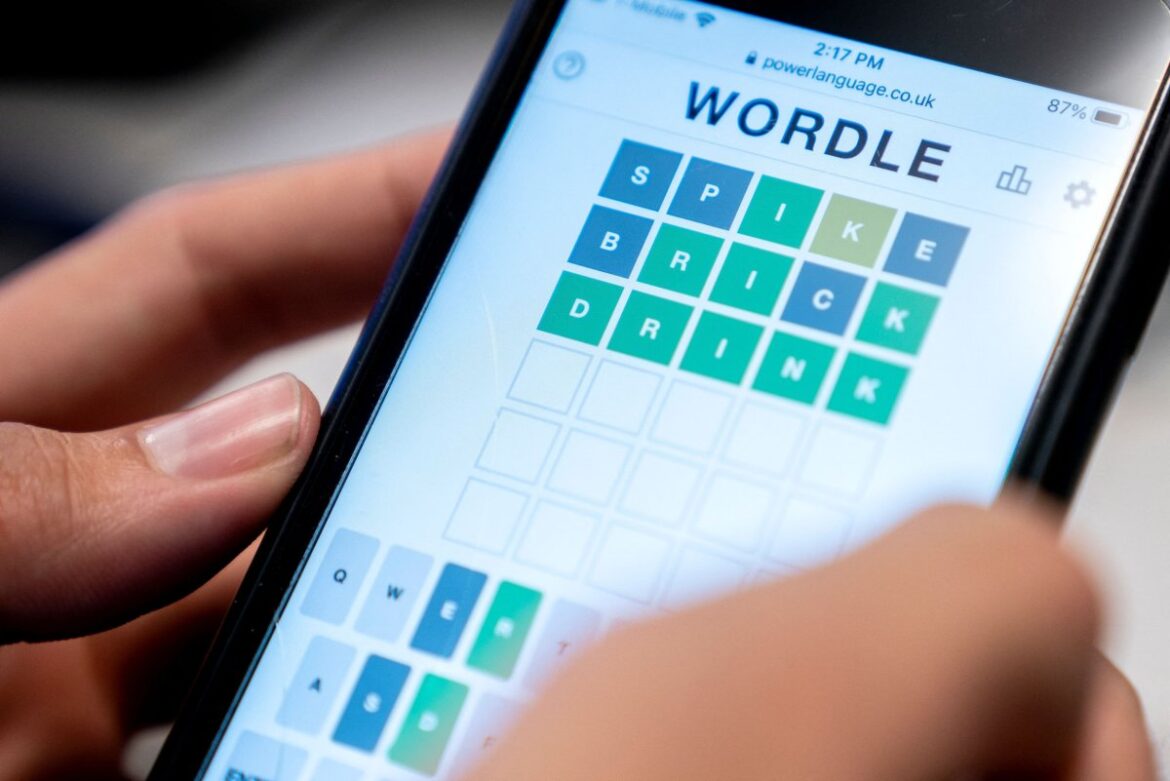
Wordle is an engaging daily word game that challenges players to guess a five-letter word in up to six attempts. Hosted on the New York Times website, a new puzzle is released every day at midnight, based on your local time zone. Its simple yet addictive gameplay has made it a global phenomenon, appealing to casual players and word enthusiasts alike. To begin, visit the New York Times Wordle page and dive into the daily challenge, using strategic guesses to uncover the secret word.
Getting Started with Wordle Gameplay
The essence of Wordle lies in its straightforward mechanics. Players start by entering any five-letter word into an empty grid. After each guess, the game provides color-coded feedback to guide subsequent attempts. Green indicates a letter is correct and in the right position, yellow signifies a correct letter in the wrong position, and gray shows a letter not present in the target word. This feedback system allows players to refine their guesses, making each attempt more informed and increasing the chances of solving the puzzle within the six-try limit.
Understanding Wordle’s Feedback System
Mastering Wordle hinges on interpreting the color-based clues effectively. A green tile confirms that the letter is correctly placed in the word, providing a solid foundation for future guesses. A yellow tile reveals that the letter exists in the word but needs to be repositioned, prompting players to experiment with its placement. Gray tiles indicate letters absent from the solution, helping eliminate possibilities. By analyzing these clues, players can systematically narrow down the pool of potential words, turning each guess into a strategic step toward victory.
Choosing the Best Starting Words
Selecting an optimal first word is critical for success in Wordle. Effective starting words typically include a mix of common vowels and consonants to maximize the information gained from the initial guess. Words like TRACE, CRANE, or SLATE, as suggested by the New York Times and MIT analyses, are strong choices due to their inclusion of frequently used letters. Alternatively, words like ARISE or ROUND emphasize consonants, while ADIEU or AUDIO prioritize vowels. The goal is to generate useful feedback—green or yellow tiles—that informs subsequent guesses, while gray tiles help rule out incorrect letters.
Strategies for Winning Wordle
Winning at Wordle requires a blend of strategy and adaptability. Beyond choosing a strong starting word, players should use each guess to gather maximum information about the target word. For example, if a guess reveals a word ending in -OUND, avoid testing similar words like MOUND or ROUND individually. Instead, try a word like MARSH to test multiple consonants at once, preserving guesses for more precise refinements. Additionally, consider the possibility of themed or slightly trickier words, as the New York Times’ editors occasionally select topical or less common solutions, such as FEAST during Thanksgiving.
Read More: NYT Connections Hints and Answers for Wednesday, May 28, 2025
Tips for Advanced Wordle Players
For those seeking to elevate their Wordle skills, advanced strategies can make a significant difference. Focus on using guesses to confirm or eliminate key letters rather than randomly testing words. Pay attention to letter frequency, leveraging common letters from the typesetters’ phrase ETAOIN SHRDLU to guide guesses. When a guess reveals a repeated letter or specific vowel placement, adjust subsequent guesses to account for these patterns. Regularly reviewing Wordle strategy guides, such as those focusing on consonant usage or common letter patterns, can further refine your approach and boost win rates.
Exploring Wordle’s Daily Challenges

Each day’s Wordle puzzle presents a unique challenge, with the solution ranging from common words to occasionally topical or nuanced terms. The game’s design ensures variety, keeping players engaged by requiring adaptability. For instance, a word like ELITE, a recent solution, describes a type of athlete and contains two vowels, one repeated, with common letters starting with E and ending with E. Understanding these characteristics—such as the presence of repeated letters or specific starting and ending letters—helps players approach each puzzle with greater confidence.
Common Questions About Wordle Gameplay
How Often Is a New Wordle Puzzle Released?
A new Wordle puzzle becomes available daily at midnight in your local time zone, ensuring a fresh challenge every 24 hours. This consistent schedule encourages players to return regularly and test their skills against a new word.
What Do the Colors in Wordle Mean?
The colors in Wordle provide critical feedback: green indicates a letter is correct and in the right position, yellow shows a letter is in the word but in the wrong position, and gray means the letter is not in the word at all. These clues guide players toward the correct solution.
Are There Double Letters in Wordle?
Yes, Wordle solutions can include repeated letters. For example, a word like ELITE contains a repeated vowel. Players should consider this possibility when analyzing feedback, especially if a letter appears yellow or green multiple times.
How Many Guesses Do I Get in Wordle?
Players have six attempts to guess the correct five-letter word. Each guess provides feedback to refine the next, making strategic guessing essential to solving the puzzle within the allotted tries.
Can I Play Past Wordle Puzzles?
The official New York Times Wordle game only offers the current day’s puzzle. However, players can explore archives or alternative platforms for past puzzles or practice modes to hone their skills.
Wordle Alternatives for Enthusiasts
For players who can’t get enough of Wordle’s puzzle-solving excitement, several alternatives offer unique twists on the formula. Wheeldle allows continuous puzzle play, one after another, for endless challenges. Dordle and Quordle require solving two or four puzzles simultaneously using the same guesses, increasing complexity. Octordle and Sedecordle push this further with eight and sixteen puzzles, respectively. Waffle presents a grid of scrambled five-letter words, solved by swapping letters. Absurdle dynamically adjusts the solution, requiring players to corner it strategically, while Squabble introduces a competitive, timed multiplayer mode. Antiwordle flips the goal, challenging players to avoid guessing the correct word while reusing correct letters.
Conclusion
Wordle’s appeal lies in its elegant simplicity and daily challenge, making it a captivating game for players of all skill levels. By starting with strategic words, interpreting color-coded feedback, and applying advanced techniques, players can consistently improve their performance. Whether you’re a casual player tackling the daily puzzle or an enthusiast exploring alternatives like Quordle or Waffle, Wordle offers endless opportunities to sharpen your word-solving skills. Dive into the game, experiment with strategies, and enjoy the satisfaction of cracking each day’s secret word.
