
Former Microsoft CEO Steve Ballmer nearly sold his entire stake in the company around 2015 or 2016, following his departure from Microsoft in 2014. In a revealing interview on the Acquired podcast, Ballmer shared that his desire to emotionally detach from the company drove this consideration. Reflecting on his behavior at a 2015 shareholder meeting, where he openly criticized Microsoft’s cloud disclosures and mobile strategy, Ballmer admitted, “I was kind of a dick, in my opinion.” He explained to hosts Ben Gilbert and David Rosenthal, “I was too emotionally attached. Took me about a year to say, I just have to emotionally detach.”
The Case to Keep the Stock
Two members of Ballmer’s philanthropy organization, the Ballmer Group, both former Microsoft employees, played a pivotal role in convincing him to retain his shares. They argued that Microsoft’s stock had significant potential for growth. “You can’t sell. This is going to be worth a lot more,” Ballmer recalled one of them saying. Their advice proved prescient, as Microsoft’s stock value soared over the subsequent decade, securing Ballmer’s position as the company’s largest individual shareholder.
A Decision Rooted in Loyalty
Financial Wisdom in Holding Shares
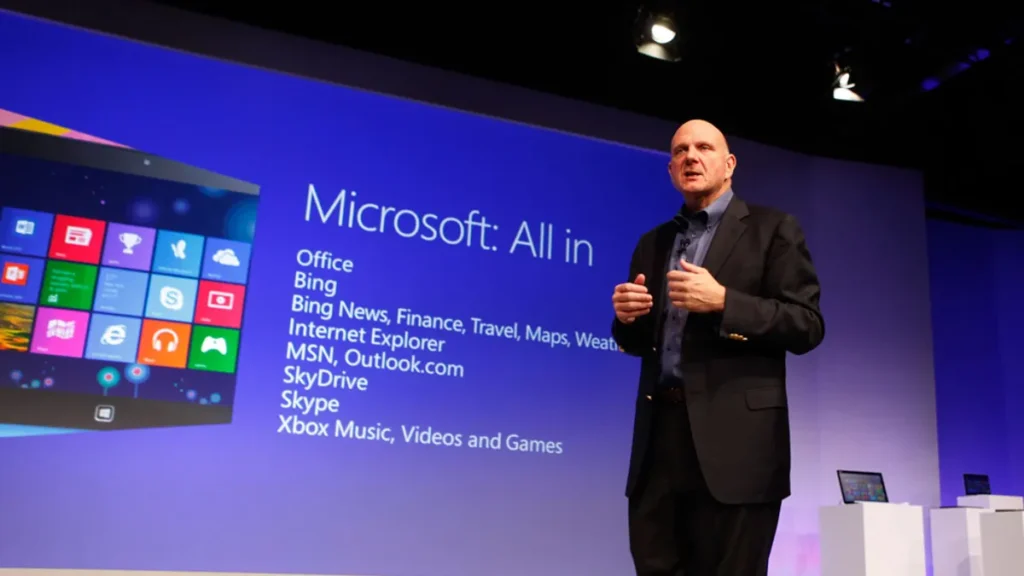
Ballmer ultimately chose loyalty over divestment, a decision that proved immensely lucrative. His Microsoft stake forms the bulk of his estimated $130 billion net worth. Reflecting on this choice, Ballmer recounted a conversation with the late Charlie Munger, Warren Buffett’s longtime business partner. Munger remarked, “I know you’re not that smart,” to which Ballmer responded, “No, Charlie, but I’m loyal.” This loyalty distinguished Ballmer from Microsoft co-founders Bill Gates and Paul Allen, who sold significant portions of their shares.
Long-Term Impact of the Decision
By holding onto his shares, Ballmer avoided a potential loss of tens of billions of dollars, given Microsoft’s remarkable stock growth. His decision underscores the value of long-term commitment to a company he helped shape, even after stepping down as CEO.
Read More: Microsoft Isn’t Done Cutting Jobs Yet
Reflections on Microsoft’s Evolution
Strategic Missteps and Regrets
The nearly three-hour Acquired podcast episode, a follow-up to their two-part Microsoft series, delves into Ballmer’s tenure as CEO. It covers his missteps in mobile and search, as well as his regret over Microsoft’s loss of its “consumer muscle.” Ballmer also discussed strategic disagreements with the board and Bill Gates, which contributed to his departure in 2014.
Building the Foundation for Microsoft’s Future
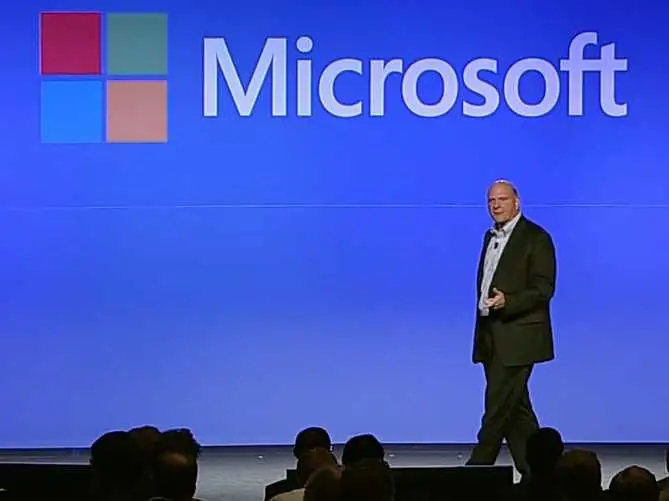
Despite these challenges, Ballmer’s leadership laid critical groundwork for Microsoft’s success. He played a key role in establishing the company’s enterprise business and spearheading its pivot to cloud computing. These efforts, combined with the Bing search engine, provided the foundation for Microsoft’s current advancements in artificial intelligence, positioning the company as a leader in the tech industry.
FAQs
Why did Steve Ballmer consider selling his Microsoft stake?
Steve Ballmer considered selling his entire Microsoft stake around 2015 or 2016 to emotionally detach from the company after stepping down as CEO in 2014. He felt overly attached, as evidenced by his critical comments at a 2015 shareholder meeting.
Who convinced Ballmer not to sell his Microsoft shares?
Two former Microsoft employees from Ballmer’s philanthropy organization, the Ballmer Group, persuaded him to keep his shares, arguing that the stock was likely to increase significantly in value.
What was the financial impact of Ballmer holding onto his Microsoft shares?
By retaining his shares, Ballmer avoided losing tens of billions of dollars, as Microsoft’s stock soared over the decade following his decision. His stake now forms the bulk of his estimated $130 billion net worth.
How did Ballmer’s loyalty compare to that of other Microsoft co-founders?
Unlike co-founders Bill Gates and Paul Allen, who sold significant portions of their Microsoft shares, Ballmer chose to remain loyal, keeping his stake intact, which made him the company’s largest individual shareholder.
What did Charlie Munger say about Ballmer’s decision to hold his shares?
Charlie Munger, Warren Buffett’s business partner, remarked to Ballmer, “I know you’re not that smart,” to which Ballmer responded, “No, Charlie, but I’m loyal,” highlighting his commitment to Microsoft.
What regrets did Ballmer express about his time at Microsoft?
Ballmer expressed regret over Microsoft’s missteps in mobile and search and the loss of the company’s “consumer muscle” during his tenure as CEO.
What role did Ballmer play in Microsoft’s enterprise and cloud businesses?
Ballmer was instrumental in establishing Microsoft’s enterprise business and driving its shift to cloud computing, which laid the foundation for the company’s later advancements in artificial intelligence.
Why did Ballmer leave Microsoft in 2014?
Ballmer’s departure in 2014 was influenced by strategic disagreements with the Microsoft board and co-founder Bill Gates, prompting him to step down as CEO.
What topics were covered in the Acquired podcast episode featuring Ballmer?
The nearly three-hour episode discussed Ballmer’s decision to hold his shares, his regrets in mobile and search, his role in Microsoft’s enterprise and cloud growth, and his strategic differences with the board and Gates.
How did Ballmer’s leadership contribute to Microsoft’s AI advancements?
Ballmer’s efforts in building the enterprise business and cloud infrastructure, combined with the Bing search engine, provided a strong foundation for Microsoft’s current push into artificial intelligence.
Conclusion
Steve Ballmer’s journey with Microsoft reflects a blend of emotional challenges, strategic decisions, and steadfast loyalty. His choice to retain his shares, guided by trusted advisors, not only preserved his financial legacy but also highlighted his enduring connection to the company he helped build. The Acquired podcast episode offers a comprehensive look at Ballmer’s impact, from his leadership in Microsoft’s enterprise and cloud initiatives to his reflections on missed opportunities and future potential.
