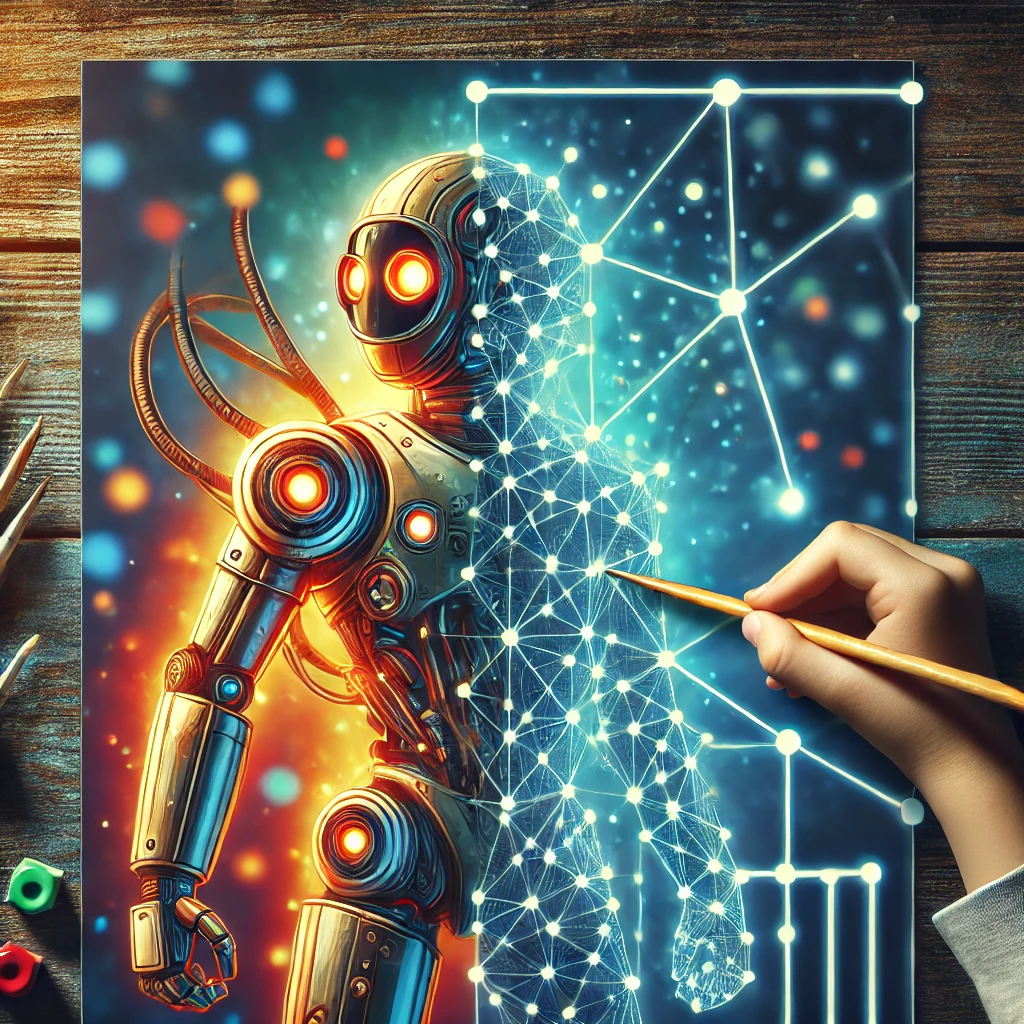
The modern learning environment has embraced the power of artificial intelligence (AI) to make education more engaging and enjoyable. One such innovative tool is the Robots Dot to Dot Nattapong platform, which combines education with fun by connecting kids’ curiosity with creativity. Through robot-themed dot-to-dot puzzles, this platform helps children develop essential cognitive skills, problem-solving abilities, and an understanding of futuristic technology—all while having fun.
What is the Robots Dot-to-Dot Nattapong Approach?
Nattapong’s approach is a creative learning tool that blends innovation with imagination, transforming the traditional puzzle-solving experience. The dot-to-dot method goes beyond enhancing basic motor skills and creativity, aiming to foster the development of futuristic robotic figures. By connecting the dots, children build robotic images that spark curiosity about robotics, technology, and problem-solving.
Instead of just completing a puzzle, the child gets a glimpse into how the future of robotics might look. As they progress, their curiosity deepens, resulting in a blend of fun, education, and imagination.
Key Elements of the Robots Dot-to-Dot Nattapong Educational Tool
Dot-to-Dot Puzzles
This element is the cornerstone of Nattapong’s method. Children follow a numbered sequence to connect the dots, revealing a robot figure. This process helps enhance their concentration and fine motor skills. For younger learners, the puzzles also offer an introduction to number recognition. The excitement builds as each puzzle forms a complete robotic image, showcasing futuristic technology.
Programmable Machines
At its core, the approach is about robotics. The robotic figures, though simple, ignite curiosity about how machines work. Children not only solve puzzles but also learn basic concepts of coding, software engineering, and robotics. The fun comes from following the steps to build a machine, while the educational benefit lies in gaining an understanding of technology and problem-solving.
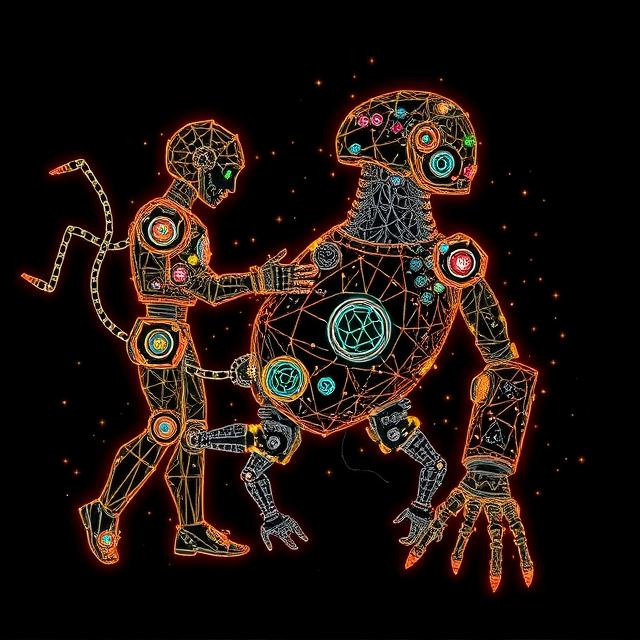
What Value Does Nattapong’s Robots Dot-to-Dot Approach Add to Education?
A Futuristic Outlook on STEM Education
The Robots Dot to Dot approach offers an innovative way to explore STEM (Science, Technology, Engineering, and Mathematics). It prepares children for a future in these fields, encouraging them to embrace advanced technology in creative ways. This method helps build excitement around STEM subjects, which are often perceived as difficult, by introducing them through fun and hands-on activities.
Enhances Cognitive Skills
Beyond motor skills, Nattapong’s method stimulates logical thinking and creativity. As children work through puzzles, they enhance their cognitive abilities, which are essential for developing problem-solving skills. By completing puzzles that build robotic figures, children hone their ability to think critically and creatively.
Boosts Problem-Solving Skills and Engagement
Solving puzzles that result in a robot design requires both patience and focus. The process keeps children engaged and encourages them to persist until the problem is solved. It’s hands-on learning at its best—children experiment, fail, try again, and ultimately succeed in creating something amazing. This level of engagement fosters deeper learning and retention.
Introduction to Robotics and Coding
Parents may find it difficult to convince their children to pursue coding or robotics classes. The Robots Dot to Dot platform, however, offers a gentle introduction to these subjects. As children engage with the puzzles, they develop an interest in engineering, coding, and robotics—potentially sparking a lifelong passion for these fields.
Accessible for All Ages
The platform caters to learners of all ages, from toddlers learning number sequences to older children exploring advanced STEM concepts. With puzzles of varying difficulty, every child can challenge their creativity and logical thinking. The included tutorials also guide children through the learning process, ensuring that they can solve problems independently, with minimal guidance from teachers or parents.
How the Puzzles Work
The puzzle-solving process is straightforward and can be done using paper or digital tools. Here’s how it works:
Puzzle Design
Children follow a numbered sequence to connect dots, gradually revealing a robot figure. The process requires concentration and attention to detail, promoting fine motor skills and number recognition.
Robot Programming
Once the dot pattern is completed, the child’s creation can be brought to life through programming. The numbers guide the child through the steps of programming, allowing them to see the relationship between the dots and the final design.
The Learning Stage
As children observe the completed puzzle and robot, they begin to understand basic principles of programming. The platform encourages experimentation, allowing children to try different designs and see the outcomes, fostering a spirit of exploration and innovation.
Where Is It Applied in Education?
The Robots Dot to Dot Nattapong tool is already being integrated into various educational settings, such as schools, STEM workshops, boot camps, and therapy activities. Educators use it to enhance case studies, integrate lessons, and foster creativity and teamwork. It’s also a valuable tool for developing motor, cognitive, and communication skills in a collaborative learning environment.
Looking to the future, the platform aims to incorporate artificial intelligence (AI) and augmented reality (AR) into global learning activities, further expanding the reach and impact of this educational tool.
Frequently Asked Questions
What is the concept behind Discover Robots Dot to Dot Nattapong?
The concept of Discover Robots Dot to Dot Nattapong is a unique blend of art and robotics, where the precision and technology of robots meet the creativity and fluidity of artistic expression. The project focuses on using robotic systems to create intricate dot-to-dot designs that evolve into detailed art pieces. It highlights the fusion of mechanical efficiency with artistic flair, creating a new form of interactive art.
How do the robots in this project create art?
The robots in the Discover Robots Dot to Dot Nattapong project are programmed to follow a set of coordinates and patterns, which are then connected to form dot-to-dot designs. Each robot is equipped with tools like pens or brushes, which allow it to replicate the movements of a traditional artist, albeit with robotic precision. These robots often collaborate to produce large-scale artworks that are both visually striking and technically impressive.
Can I interact with the robots or the artwork?
Yes! One of the most intriguing aspects of Discover Robots Dot to Dot Nattapong is the interactivity it offers. Visitors can engage with the robots and their artwork by providing inputs, changing patterns, or even controlling the robots directly in some installations. This gives audiences a chance to experience the convergence of technology and art firsthand and appreciate the creative process behind robotic artistry.
What role does Nattapong play in this project?
Nattapong is the visionary behind Discover Robots Dot to Dot, bringing together the fields of robotics and art. His expertise in both disciplines allows him to push the boundaries of what robots can create in an artistic context. By combining technical knowledge with a passion for creativity, Nattapong has created a platform where the intersection of art and robotics can be explored and celebrated.
Is Discover Robots Dot to Dot Nattapong suitable for all audiences?
Yes, Discover Robots Dot to Dot Nattapong is suitable for all audiences. Whether you’re an art enthusiast, a robotics expert, or someone curious about the possibilities of machine-driven creativity, this project offers something for everyone. It’s an engaging experience for both children and adults, offering a unique way to appreciate both art and technology in a hands-on, interactive environment.
Conclusion
Nattapong’s Robots Dot to Dot approach is an innovative way to blend education with entertainment, engaging children in the fascinating world of robotics, coding, and problem-solving. It offers a fun, hands-on method to develop essential cognitive skills, spark curiosity about technology, and inspire the next generation of engineers and creators. As technology continues to evolve, this educational tool will pave the way for more interactive, engaging learning experiences that bring the future to the classroom today.
