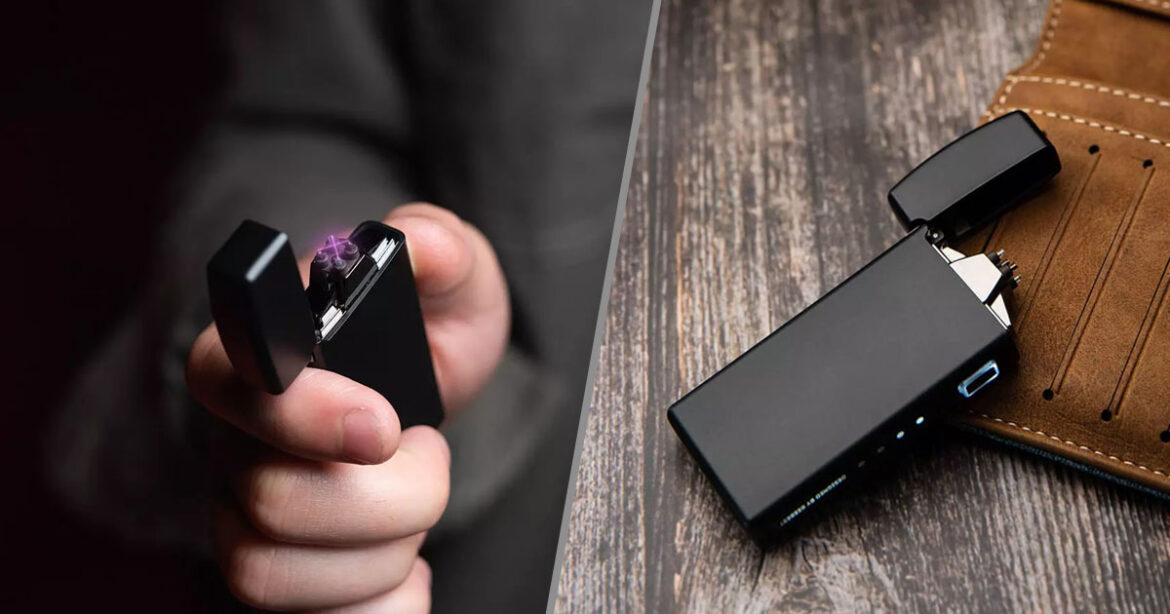
For millennia, humanity’s relationship with fire was defined by friction, effort, and a touch of danger. From the careful tending of a coal to the strike of a match, creating a flame was an active process. The advent of the butane lighter simplified this, offering a contained, on-demand flame. Yet, it carried with it the echoes of its ancient predecessors—combustion, fuel, and a vulnerable flicker. Now, a new chapter is being written, not with a flame, but with a silent, electric arc. The electric lighter is not merely an improvement; it is a fundamental reimagining of ignition, merging cutting-edge technology with everyday necessity to create a tool for the modern world.
At its heart, the principle of an electric lighter is a dramatic departure from centuries of tradition. Instead of relying on a flammable fluid and a physical spark to ignite it, this device harnesses electrical energy. A rechargeable lithium-ion battery powers a sophisticated circuit that elevates the voltage to an extremely high level. This current is then forced across a small gap between two tungsten electrodes, creating a sustained electric arc. This brilliant band of plasma is not a flame in the conventional sense; it is a concentrated stream of superheated energy that can reach temperatures exceeding thousands of degrees Fahrenheit, capable of igniting anything a traditional flame can, but in a radically different way.
The most immediate advantage of this technology is its profound defiance of the elements. Anyone who has struggled to light a patio candle in a breeze or start a campfire with damp kindling understands the limitations of a traditional flame. The electric arc, being a contained surge of plasma, is virtually impervious to wind and rain. It doesn’t flicker, gutter, or die. It simply exists, a constant and reliable source of intense heat regardless of the weather. This reliability transforms outdoor activities, making everything from alpine cooking to beachside bonfires infinitely more manageable. It provides a sense of preparedness, a guarantee of ignition that was previously impossible.
Beyond mere functionality, the electric lighter introduces an unprecedented level of cleanliness and purity to the act of lighting. Butane and fluid lighters have inherent drawbacks: they can leave a faint chemical taste on a cigar, impart a petrol odor to a fine candle’s first burn, or smudge glassware with soot. The electric arc, being a flameless source of heat, eliminates these nuisances entirely. It offers a pristine, odorless ignition, allowing the true aroma of a premium tobacco or the subtle scent of a wax melt to be experienced without contamination. For purists and connoisseurs, this represents a significant advancement, preserving the integrity of their experience from the very first spark.
The environmental impact, or rather the lack thereof, is another cornerstone of the electric lighter’s appeal. The disposable lighter is a symbol of a throwaway culture, a single-use item made of plastic and metal, filled with fossil fuel, and destined for a landfill after a shockingly short lifespan. The environmental cost of manufacturing and discarding billions of these units is staggering. The electric lighter stands in direct opposition to this model. It is a paradigm of reusability, built around a rechargeable battery that can be powered hundreds of times from a standard USB port. This shift from a consumable product to a long-term tool represents a massive reduction in waste, aligning with a growing global ethos of sustainability and conscious consumption.
This new technology has also shattered conventional design constraints. Freed from the need to house a pressurized fuel chamber and a complex valve system, designers have been able to rethink the form factor entirely. The results are as diverse as they are innovative. Some models are sleek, minimalist cylinders that resemble a sophisticated pen. Others are designed with rugged, ergonomic grips for outdoor use. There are models that sit elegantly on a desktop, activated by a simple touch, and others so compact they can live on a keychain. This versatility allows the electric lighter to seamlessly integrate into various aspects of life, from the luxury of a home library to the practicality of a survival kit.
A subtle yet profoundly important benefit lies in the enhanced safety profile. A conventional lighter can be accidentally activated by a child or pet, leading to potential burns or fires. Many electric lighters incorporate intelligent safety features to mitigate this risk. Common are mechanisms that require a double-button press, a specific sequence of actions, or the removal of a protective cap to activate. This deliberate design prevents accidental ignition in a pocket or bag. Additionally, many feature an automatic shut-off timer, extinguishing the arc after a few seconds to prevent overheating and conserve battery life. While caution is always advised with any heat source, these features provide a valuable layer of security.
In essence, the electric lighter is a quiet revolution. It is a testament to how applied technology can refine even the most simple and ancient of tools. It answers contemporary demands for reliability, cleanliness, and sustainability, all while offering a safer and more versatile user experience. It has taken the primal, mesmerizing act of creating fire and transformed it into a silent, efficient, and awe-inspiring display of modern engineering. The electric lighter is more than a convenience; it is a symbol of progress, a small but powerful spark of innovation for the twenty-first century.
