Thanksgiving dinner brings families together around tables filled with comforting, aromatic dishes. Sage, a cornerstone herb in holiday cooking, infuses stuffing, turkey, and sides with its warm, earthy flavor. Understanding the difference between ground and rubbed sage helps elevate your culinary creations, ensuring every bite captures the essence of the season.
Ground and rubbed sage, while derived from the same plant, offer distinct textures, flavors, and uses. Ground sage, finely powdered, delivers concentrated taste, perfect for bold, evenly distributed seasoning. Rubbed sage, with its fluffy, coarse texture, provides a milder, more aromatic profile, ideal for dishes needing subtle herb notes.
Choosing the right form of sage enhances your Thanksgiving menu, from classic stuffing to roasted vegetables. This guide explores their differences, storage tips, and creative uses to make your holiday meal unforgettable. Dive into the world of sage to craft dishes that leave guests raving.
What Are Ground and Rubbed Sage?
Defining Ground Sage
Ground sage comes from dried sage leaves pulverized into a fine powder. This form offers a concentrated, robust flavor, making it potent in small amounts. Its smooth texture blends seamlessly into dishes, ensuring even flavor distribution. Ideal for recipes requiring intense seasoning, ground sage suits gravies and spice blends. Use it sparingly to avoid overpowering delicate ingredients.
Defining Rubbed Sage
Rubbed sage consists of dried sage leaves gently crumbled into coarse, fluffy flakes. Its texture retains more of the herb’s natural oils, giving a milder, aromatic taste. Best for dishes where sage complements other flavors, it shines in stuffing and casseroles. The larger particles create subtle bursts of flavor. Rubbed sage suits recipes needing a lighter touch.
How They’re Made
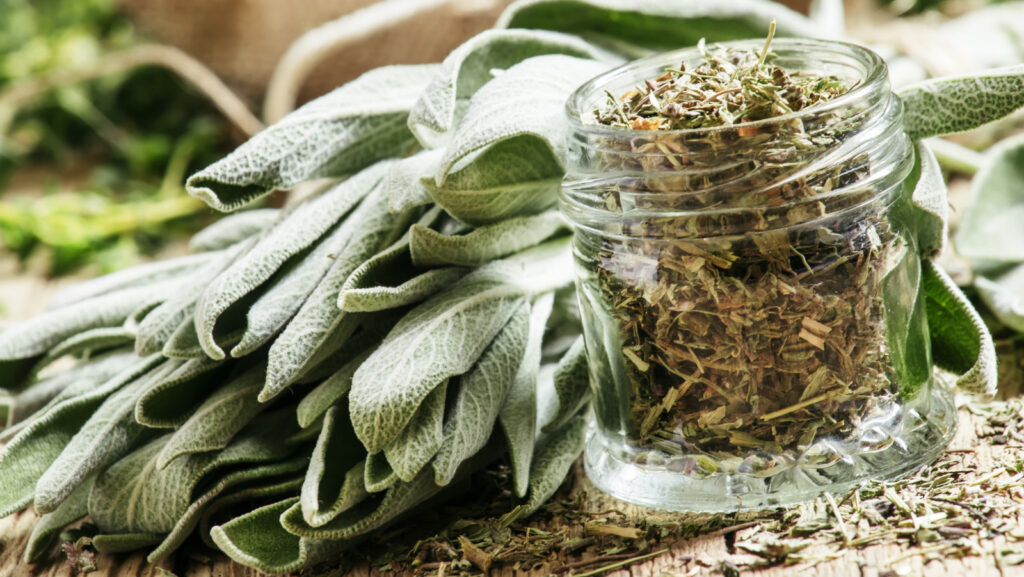
Both forms start with fresh sage leaves, typically from the Salvia officinalis plant. Harvested leaves undergo drying to preserve flavor. Ground sage is mechanically processed into a fine powder, while rubbed sage is hand- or machine-crumpled to maintain a coarser texture. These methods affect their potency and application in cooking. Understanding their production helps choose the right type for your dish.
Flavor and Texture Differences
Flavor Intensity
- Ground sage packs a bold, concentrated flavor due to its fine consistency.
- Rubbed sage offers a gentler, more nuanced taste with aromatic undertones.
- Ground sage suits recipes needing strong herb presence, like sausage dishes.
- Rubbed sage enhances dishes with subtle, layered flavors, such as stuffing.
- Choose based on whether you want a dominant or complementary sage note.
Texture Variations
- Ground sage blends smoothly, ideal for sauces and batters.
- Rubbed sage has a fluffy, coarse feel, adding texture to dishes.
- Ground sage disappears into mixtures, ensuring uniform seasoning.
- Rubbed sage provides visible flecks, enhancing visual appeal in recipes.
- Texture impacts how sage integrates into your Thanksgiving dishes.
Aroma Profiles
- Ground sage has a sharp, intense aroma that stands out in cooking.
- Rubbed sage releases a softer, more herbal scent during preparation.
- Ground sage’s aroma suits hearty, savory dishes like soups.
- Rubbed sage’s fragrance complements roasted or baked dishes.
- Aroma influences the sensory experience of your holiday meal.
How to Store Ground and Rubbed Sage
Ideal Storage Conditions
Proper storage preserves sage’s flavor and aroma for Thanksgiving cooking. Keep both forms in airtight containers to protect from moisture and light. Store in a cool, dark place, like a pantry, to maintain potency. Glass jars or resealable bags work well for both. Check expiration dates to ensure freshness before use.
Shelf Life Expectations
Ground sage typically lasts 6–12 months when stored correctly. Rubbed sage retains quality for up to a year due to its coarser texture. Over time, both lose flavor intensity, becoming less effective. Label containers with purchase dates to track freshness. Replace stale sage to ensure vibrant holiday dishes.
Tips to Maintain Freshness
Store sage away from heat sources like stoves to prevent flavor degradation. Avoid humid environments to reduce clumping, especially for ground sage. Use clean, dry spoons when measuring to prevent contamination. Freeze sage in airtight bags for extended shelf life. Proper care keeps your sage ready for flavorful Thanksgiving recipes.
Best Uses for Ground Sage in Thanksgiving Dishes
Turkey and Poultry Seasoning
- Ground sage blends into turkey rubs for deep, even flavor.
- Mix with salt, pepper, and garlic for a savory marinade.
- Use in brines to infuse poultry with rich, earthy notes.
- Perfect for gravies, adding depth to pan drippings.
- Apply sparingly to avoid overwhelming the dish’s balance.
Soups and Sauces
- Ground sage enhances creamy soups, like butternut squash.
- Stir into gravies for a bold, cohesive flavor profile.
- Mix with butter for a rich sauce over vegetables.
- Complements hearty broths, adding warmth to each spoonful.
- Use in small pinches to maintain flavor harmony.
Breads and Batters
- Ground sage integrates into cornbread for a festive touch.
- Add to biscuit dough for a savory, aromatic kick.
- Mix into pancake batters for a unique breakfast twist.
- Enhances savory scones, pairing well with cheese.
- Blend thoroughly to ensure even flavor distribution.
Best Uses for Rubbed Sage in Thanksgiving Dishes
Stuffing and Casseroles
- Rubbed sage adds texture and mild flavor to stuffing.
- Mix with bread cubes, onions, and celery for balance.
- Enhances green bean casseroles with aromatic depth.
- Sprinkles easily, creating flavorful bursts in each bite.
- Perfect for traditional Thanksgiving side dishes.
Roasted Vegetables
- Rubbed sage complements roasted root vegetables like carrots.
- Toss with olive oil for even herb distribution.
- Enhances sweet potatoes with its earthy, herbal notes.
- Adds visual appeal with flecks of sage on veggies.
- Use generously for bold flavor in roasted dishes.
Meat and Sausage Dishes
- Rubbed sage on seasoned sausage patties for breakfast sides.
- Sprinkle over pork roasts for a fragrant crust.
- Mix into meatloaf for a comforting, holiday-ready dish.
- Pairs well with thyme and rosemary in blends.
- Adds subtle flavor to ground meat mixtures.
Substituting Ground and Rubbed Sage
When to Substitute
Ground and rubbed sage can be swapped, but adjustments are key. Use ground sage when a recipe calls for intense flavor in smooth textures. Opt for rubbed sage in dishes needing mild, aromatic notes. Consider the dish’s texture and flavor balance before substituting. Always taste-test to ensure the desired outcome.
Read More: 15 of My Favorite Snacks to Serve at New Year’s Eve Parties
Conversion Ratios
Substitute 1 teaspoon of ground sage for 1 tablespoon of rubbed sage. Ground sage’s potency requires smaller amounts to match rubbed sage’s milder flavor. Adjust gradually, tasting as you go, to avoid overpowering. For stuffing, lean toward rubbed sage for texture. Precise ratios ensure balanced flavors in your dishes.
Tips for Success
Start with less sage when substituting to gauge flavor impact. Mix ground sage thoroughly to avoid concentrated spots. For rubbed sage, crumble finely if a smoother texture is needed. Test substitutions in small batches before scaling up. Experimentation helps perfect your Thanksgiving recipes with either form.
FAQs
What is the main difference between ground and rubbed sage? Ground sage is a fine powder with intense flavor, while rubbed sage is coarse and milder, offering subtle, aromatic notes.
Can I use ground sage instead of rubbed sage in stuffing? Yes, but use less ground sage (1 tsp per 1 tbsp rubbed) to avoid overpowering the dish.
How do I store sage to keep it fresh for Thanksgiving? Store both forms in airtight containers in a cool, dark place, away from heat and moisture.
Which sage is better for turkey seasoning? Ground sage works best for turkey rubs and brines due to its bold, even flavor distribution.
Does rubbed sage work in soups? Rubbed sage can be used but may leave visible flecks; ground sage blends better for smooth soups.
Conclusion
Ground and rubbed sage bring unique qualities to Thanksgiving dishes, enhancing flavors with their distinct textures and intensities. Ground sage delivers bold, concentrated taste for gravies and rubs, while rubbed sage offers mild, aromatic notes for stuffing and vegetables. Understanding their differences and uses ensures a memorable holiday meal. Experiment with both to create dishes that delight guests. With proper storage and substitution know-how, sage elevates your Thanksgiving feast effortlessly.
