
International Antiquarian Bookstores Stage “Flash Strike” Over Abrupt Market Exits
In a rare act of collective dissent, over 300 antiquarian booksellers from around the world have initiated a temporary “flash strike” against AbeBooks, the Amazon-owned online marketplace for rare and used books. The protest, symbolized by sellers placing their inventories “on vacation” mode, is in direct response to AbeBooks’ controversial decision to terminate seller accounts in four countries: Hungary, the Czech Republic, South Korea, and Russia.

The protest, organized by the International League of Antiquarian Booksellers (ILAB), follows AbeBooks’ October notice to sellers in the affected countries that their accounts would be deactivated by November 30, citing increased operational costs and complexities in those regions. ILAB, a prestigious global trade organization representing rare book dealers, criticized the decision, stating that AbeBooks offered limited transparency or explanation for the sudden withdrawal.
AbeBooks Faces Backlash Over Limited Global Accessibility
The movement was initially proposed by British bookseller Simon Beattie, who called on fellow sellers across the globe to suspend their listings on AbeBooks in a symbolic act of unity. The result: hundreds of book dealers in Europe, Asia, and North America collectively removed their inventory from the platform in solidarity with their affected peers.
Sellers participating in the protest are echoing ILAB’s Latin motto, “Amor Librorum Nos Unit” — translated as “The Love of Books Unites Us.” On Simon Beattie’s own AbeBooks storefront, customers were met with a message indicating that listings were “temporarily unavailable.”
Read More: Seattle Schools Issue Urgent Alert Over Grade-Viewing App — Here’s Why
AbeBooks Responds to Backlash
In a statement published by ILAB, AbeBooks defended the move, explaining:
“We sincerely regret having to take this action, but it is no longer viable for us to operate in these countries due to increasing costs and complexities. We continue to support sellers in all 18 of the 22 countries with national associations that are members of ILAB.”
However, the explanation has done little to quell concerns within the antiquarian bookselling community, where sellers argue that such abrupt market exits disrupt livelihoods, reduce global accessibility to rare literature, and contradict the spirit of open commerce.
Amazon’s Dominance and the Bookselling Ecosystem
Amazon acquired AbeBooks in 2008, expanding its footprint in the niche but significant world of rare and collectible books. Based in Victoria, British Columbia, AbeBooks has long served as a vital platform for booksellers looking to connect with collectors, researchers, and academic institutions around the globe.
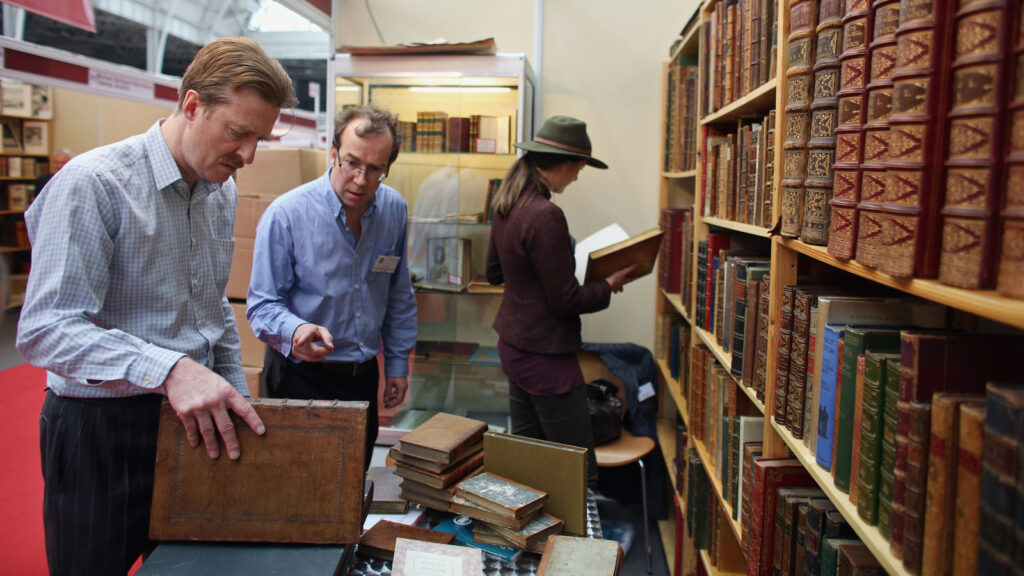
This protest marks a rare moment of pushback against Amazon’s near-monopoly in online bookselling. Many participating dealers rely heavily on AbeBooks to reach international buyers, and the decision to strike — even temporarily — highlights their willingness to jeopardize revenue in defense of ethical business practices and market inclusivity.
Industry Impact and Ongoing Concerns
The flash strike underscores growing concerns among independent sellers about platform dependency, limited transparency, and the erosion of global access to rare and historical books. While AbeBooks continues to serve sellers in 18 other ILAB-affiliated countries, the exclusion of four markets raises broader questions about digital marketplaces and their responsibilities in supporting international commerce.
As the global rare book trade becomes increasingly digitized, the incident sets a precedent for how sellers may collectively respond to corporate policies they view as exclusionary or unjustified.
FAQs
What is AbeBooks, and who owns it?
AbeBooks is a global online marketplace specializing in rare, out-of-print, and collectible books. It was acquired by Amazon in 2008.
Why are international booksellers protesting?
Booksellers are protesting AbeBooks’ decision to shut down seller accounts in Hungary, the Czech Republic, South Korea, and Russia due to “rising costs and operational challenges.”
Who is leading the protest?
The International League of Antiquarian Booksellers (ILAB) organized the protest, with British bookseller Simon Beattie initiating the placement of listings on “vacation mode.”
How many booksellers are participating?
As of the official start of the protest, more than 300 rare book dealers had joined the initiative.
What impact does this have on buyers?
Buyers searching for rare and antiquarian books on AbeBooks may notice reduced inventory and fewer international listings during the strike period.
Conclusion
The global protest by antiquarian booksellers against AbeBooks’ abrupt market exit highlights the growing tensions between independent sellers and dominant online platforms. By uniting under a shared cause, over 300 booksellers have sent a clear message: transparency, fairness, and global inclusivity must remain central to digital commerce. While AbeBooks cites rising operational costs as the reason for its withdrawal from specific markets, the lack of dialogue and sudden disruption has sparked industry-wide concern. This collective action not only underscores the vulnerability of niche sellers in an increasingly centralized online ecosystem but also sets a precedent for future resistance. As the rare book trade continues to evolve in the digital age, this strike may prove to be a turning point in redefining how marketplaces engage with and support their global seller communities.
