Composting offers an eco-friendly and highly effective way to convert everyday waste into nutrient-rich fertilizer. Known among farmers and gardeners as “brown gold,” compost helps improve soil structure, provides essential nutrients to plants, and reduces the amount of waste sent to landfills. Even better, composting can be done with minimal effort, especially if you embrace methods that don’t require constant turning or strict maintenance. Whether you’re a seasoned gardener or just getting started, this guide explores effortless composting methods that allow you to benefit from rich, homemade compost without the usual labor-intensive routines.
Understanding Composting Basics
Before diving into lazy composting techniques, it helps to understand what composting actually entails. Composting is the natural decomposition of organic matter—things like food scraps, garden waste, and dried leaves—by microorganisms such as bacteria and fungi. These organisms break down the materials, turning them into humus, a dark, crumbly, and earthy-smelling substance that improves soil quality and plant health.
There are two main types of organic materials involved:
- Green matter: Includes nitrogen-rich materials such as vegetable scraps, grass clippings, coffee grounds, and tea bags.
- Brown matter: Includes carbon-rich materials like dry leaves, cardboard, paper, and small branches.
For optimal composting, a balance between green and brown matter is ideal. But when you’re going the effortless route, perfection isn’t necessary—just consistency.
Scatter Organic Matter on the Ground
Perhaps the simplest method of composting is to let nature handle it exactly where the waste falls. If you’re pruning small branches or mowing the lawn, instead of bagging up the debris, scatter it over your garden beds. Provided the material doesn’t contain viable seeds that could germinate into unwanted plants, it will break down naturally.
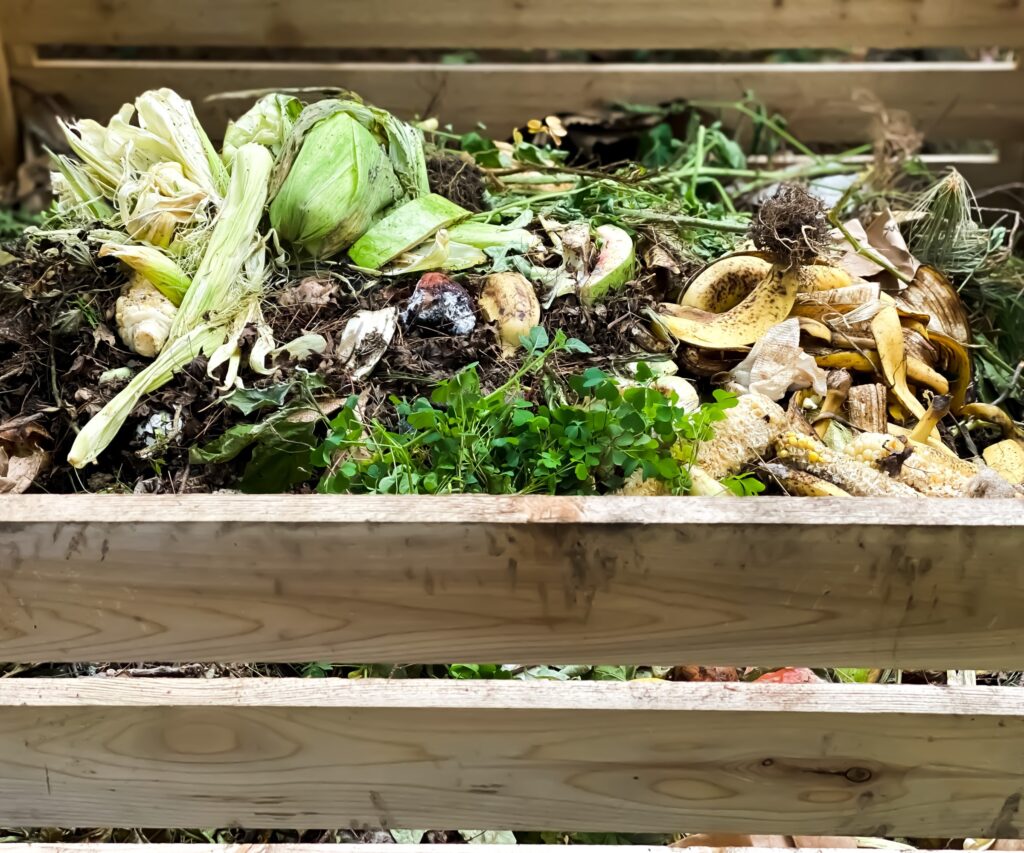
This process takes place slowly over weeks or months, as rain, sun, microbes, and worms gradually decompose the organic matter into the soil. This approach is particularly useful for:
- Grass clippings
- Small flower or herb prunings
- Dead leaves from potted plants
There’s no need to turn, mix, or pile—simply let it rot in place. This method won’t produce compost fast, but it enriches the soil over time with virtually no effort.
Toss Waste Into a Container and Walk Away
Another lazy yet effective method is to throw your compostable items into a bin, bucket, or garbage bag and just let it sit. Over time, the contents will break down. This is often called passive bin composting. It’s slow, and the absence of regular aeration or turning means it may take several months to fully decompose. However, it’s great for busy people or for anyone who doesn’t want to be hands-on.
For best results:
- Choose a container with a lid to keep pests and rain out.
- Add both green and brown matter to balance nutrients.
- Store the container in a warm spot to speed up decomposition.
Expect a strong odor during the process—especially with food scraps—so don’t place it near open windows or doors. Still, the payoff is a no-maintenance method that yields usable compost with minimal input.
Build a Low-Maintenance Compost Pile
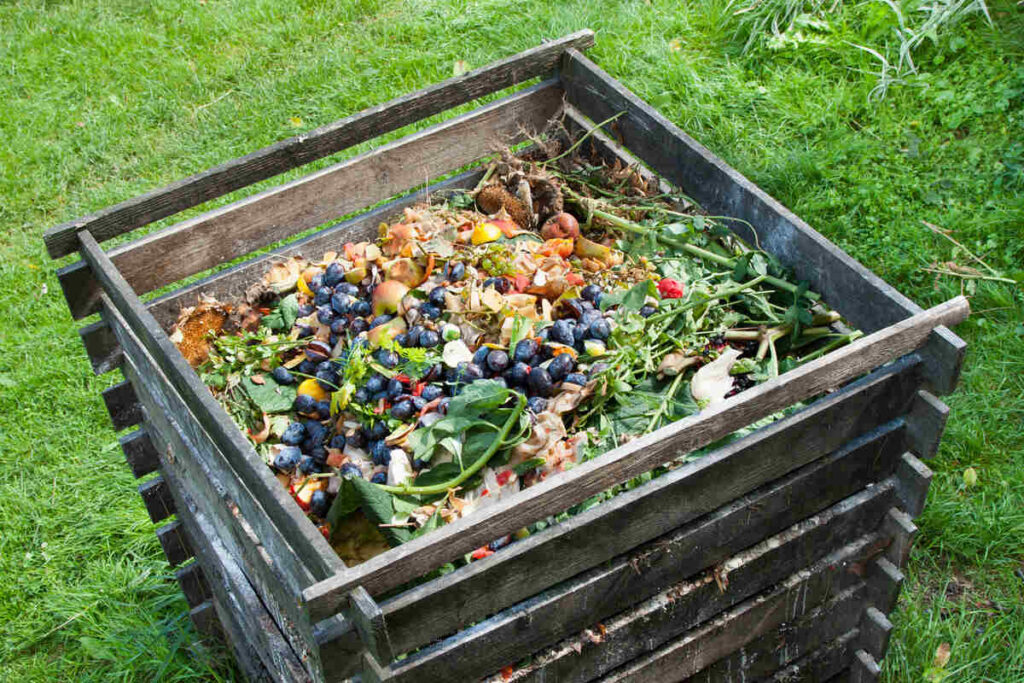
The traditional backyard compost pile doesn’t have to be labor-intensive. By simplifying the process and not obsessing over turning the pile every week, you can still generate compost in a hands-off way.
To create a lazy compost pile:
- Designate a shaded or semi-shaded area.
- Dump your yard and kitchen scraps into a heap.
- Occasionally throw on some dry leaves, shredded newspaper, or cardboard.
Though it will decompose slower than a hot, regularly turned pile, this approach still works. Just be mindful of a few potential issues:
- Odor: Avoid adding too much wet, green matter at once.
- Pests: Skip meat, dairy, and oily foods to prevent wildlife interest.
- Rain saturation: If uncovered, excessive rain can slow the process.
- Still, as far as compost piles go, this is the lowest-effort version that still delivers.
Try Sheet Mulching for Dual Benefits
Sheet mulching, also known as lasagna gardening, is an innovative composting technique that works best in garden beds or unused weedy areas. It’s a method that mimics forest floor decomposition by layering organic materials.
To get started:
- Lay down a thick sheet of cardboard or newspaper over the area.
- Add layers of green and brown compostable material on top.
- Water each layer lightly.
- Top off with mulch, straw, or dried leaves.
The cardboard base blocks sunlight, killing the vegetation underneath and preventing weed growth. Meanwhile, the layers above begin to compost in place, slowly turning the entire section into rich, plant-ready soil. No digging, no turning—just time and patience.
This technique is especially great if you’re preparing a garden plot for next season or reclaiming an overgrown area.
Invest in a Compost Tumbler
If you’d rather not deal with open piles or scattered materials, a compost tumbler offers a tidy and efficient alternative. Tumblers are enclosed bins mounted on a stand, allowing you to rotate the contents easily for even aeration.
Why choose a compost tumbler?
- Pest-proof: Fully enclosed design keeps animals and insects out.
- Odor control: Sealed lids reduce unpleasant smells.
- Faster results: Tumblers heat up more quickly than open piles.
- Ease of use: Just give it a spin once a week.
One highly recommended model is the BLACK+DECKER Compost Tumbler, which strikes a balance between ease of use and effective composting. It’s ideal for small to medium gardens, and the turning mechanism helps speed up decomposition without the need for digging or manual mixing.
Tumblers typically cost around $100, but the convenience, speed, and cleanliness make them a worthwhile investment for those committed to composting with little effort.
Read More: How to get a personal loan
Compost Indoors with a Kitchen Bin
For those without outdoor space, composting can still be done inside the home using a kitchen compost bin. These small containers fit easily under the sink or on a countertop, and they’re perfect for collecting daily kitchen scraps.
Modern indoor composters come with features such as:
- Carbon filters: To trap odors.
- Air vents: For airflow.
- Stylish designs: That blend into kitchen décor.
When full, you can either transfer the contents to an outdoor pile, a community compost drop-off point, or use an electric composter that accelerates the process right inside your home.
Vermicomposting: Let Worms Do the Work
If you’re looking for a composting method that’s both hands-off and highly efficient, vermicomposting (worm composting) is worth considering. Red wiggler worms eat organic waste and produce worm castings—a highly valuable fertilizer.
To start:
- Buy or build a worm bin.
- Add bedding material like shredded newspaper.
- Introduce red wigglers.
- Feed them regularly with small scraps of vegetables, coffee grounds, and eggshells.
As long as you avoid meat, citrus, and greasy foods, worms will quietly and quickly turn your waste into nutrient-rich compost. Maintenance is minimal—just keep the bin moist and give them scraps once or twice a week.
Troubleshooting Tips for Effortless Composting
Even the easiest compost methods can occasionally run into problems. Here are quick fixes for common issues:
- Bad smells: Usually caused by too much green matter or poor airflow. Add more brown materials and stir if possible.
- Slow decomposition: Chop materials into smaller pieces to speed things up.
- Pests: Avoid meat, bones, and dairy. Use enclosed systems like tumblers or bins.
- Too wet or dry: If it’s soggy, add dry leaves or paper. If it’s dry, sprinkle water lightly.
Consistency is more important than perfection. The more you add waste regularly, the better your results will be.
Benefits Beyond Fertilizer
- Effortless composting isn’t just about improving your garden—it also benefits the environment in numerous ways:
- Reduces landfill waste: Composting diverts kitchen and yard waste from landfills.
- Lowers greenhouse gas emissions: Decomposition in landfills emits methane, while composting is aerobic and safer.
- Enriches biodiversity: Healthy compost attracts beneficial insects and worms to your garden.
- Saves money: You won’t need to buy chemical fertilizers or soil amendments.
Getting Started Today
You don’t need a fancy setup to start composting. All you need is a commitment to reusing your organic waste instead of throwing it out. Whether you’re tossing clippings on the ground, building a quiet pile in the backyard, or using a sleek kitchen bin, the key is to get started and stay consistent.
Choose the method that best fits your lifestyle. If you love low-maintenance gardening, composting can become a seamless part of your routine—and your plants will thank you for it.
Start small, stay steady, and let nature do the work. Your waste has never been more valuable.
